• About

Three Worlds One Vision

~ Guyana – Brazil – USA

Three Worlds One Vision

Category Archives: Brazil

“Song of the Earth” – Poem by Brazilian Poet Cora Coralina

19 Sunday Dec 2021

Posted by Rosaliene Bacchus in Brazil, Poetry

≈ 42 Comments

Tags

Brazilian Poet Cora Coralina (1889-1985), Goiás Velho/Goiás/Brazil, O Cântico da Terra por Cora Coralina, Song of the Earth by Cora Coralina

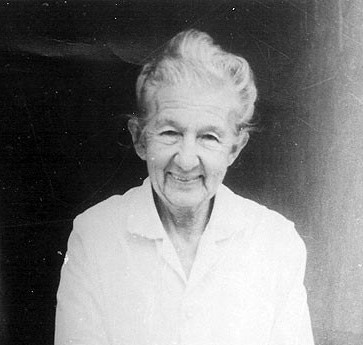
Brazilian Poet Cora Coralina
Photo: Association of the House of Cora Coralina

My Poetry Corner December 2021 features the poem “Song of the Earth” (O Cântico da Terra) from the 1965 debut poetry collection The Alleyways of Goiás and More Stories (Poemas dos Becos de Goiás e Estórias Mais) by one of Brazil’s great twentieth-century poets, known by her pen name, Cora Coralina (1889-1985).

Born in the small town of Goiás Velho, then the capital of Brazil’s Center-West State of Goiás, Cora Coralina (named Ana Lins dos Guimarães Peixoto) was the third of four daughters. Her father, a High Court judge, died shortly after her birth. In her poem, “My Childhood (Freudian),” she writes:

I was sad, nervous and ugly.
Yellow, with a pale face.
Limp legs, falling down carelessly.
Those who saw me like that – said:
“This girl is the living image
of the old sick father.”
Continue reading →

“That Moment an Enormous Tail” by Brazilian Poet Alice Sant’Anna

19 Sunday Sep 2021

Posted by Rosaliene Bacchus in Brazil, Poetry

≈ 30 Comments

Tags

Brazilian “marginal generation” poet, Brazilian poet Alice Sant’Anna, Poem “That Moment an Enormous Tail” (Um Enorme Rabo de Baleia) by Alice Sant’Anna, Poetry Collection Tail of the Whale (Rabo de Baleia) by Alice Sant’Anna, Rio de Janeiro/Brazil

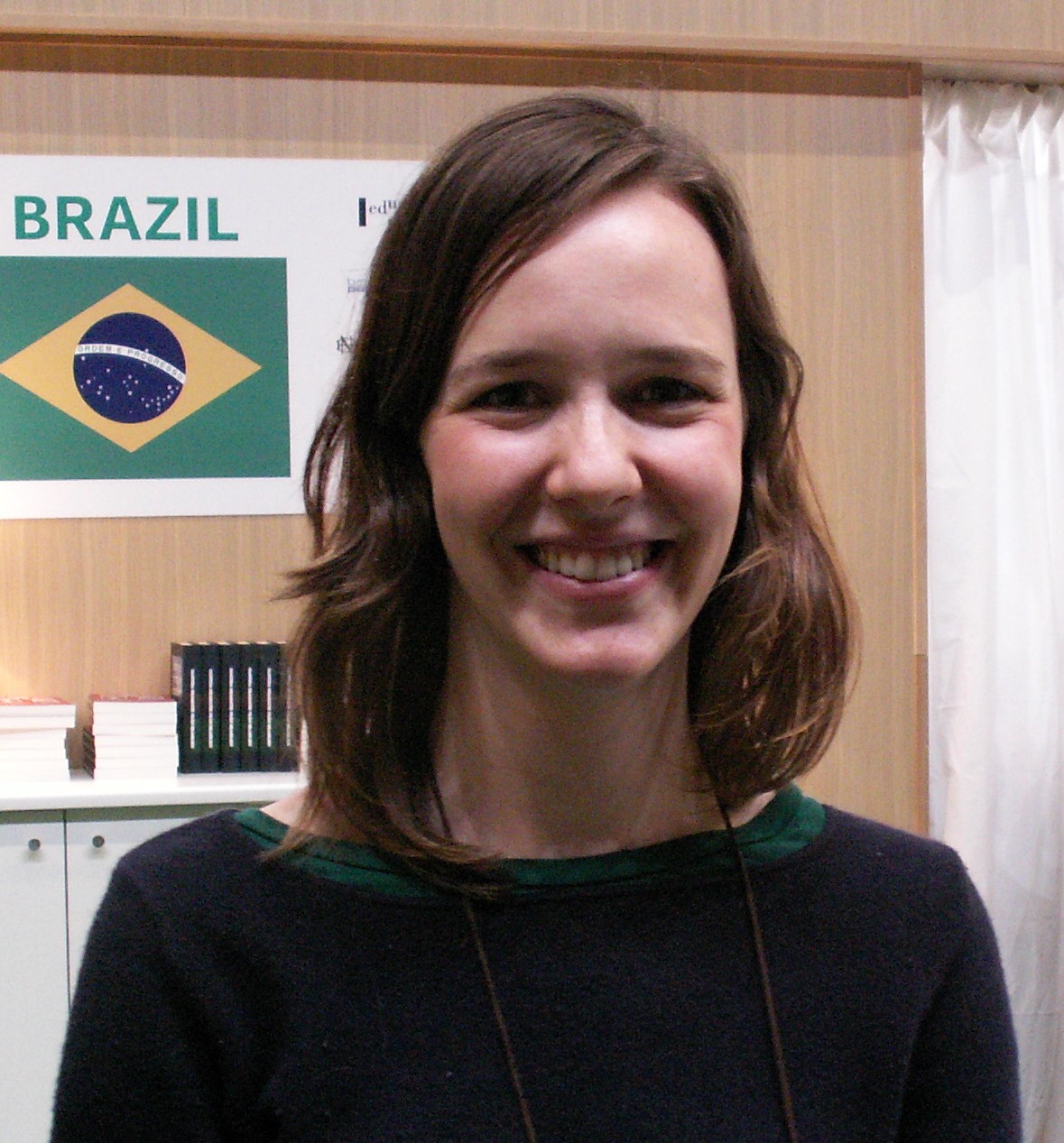
Brazilian Poet Alice Sant’Anna

My Poetry Corner September 2021 features the poem “That Moment an Enormous Tail” (Um Enorme Rabo de Baleia) from the poetry collection Tail of the Whale (Rabo de Baleia) by Brazilian poet Alice Sant’Anna. Born in 1988 in the city of Rio de Janeiro, Alice grew up in a very artistic home: Her father was a photographer; her mother was a fashion producer. As a child, she learned to play several musical instruments. Then, at fifteen years old, her artistic future veered toward poetry. Such was the impact after she read the poetry of Brazil’s “marginal generation” poet Ana Cristina César (1952-1983).

During the 1970s the “marginal generation” poets published their books independently, earning the title “marginal.” Following the oral tradition, their poetry used a colloquial and informal style.  

Sant’Anna credits her experience of studying abroad in learning “how to be alone, in silence,” critical for her creative process. Her first trip abroad was to New Zealand where she spent a semester as a sixteen-year-old high school student. There, she began writing poetry while adapting to life in a very small town.

As a twenty-year-old undergraduate in journalism at the Pontifical Catholic University (PUC) of Rio de Janeiro, Sant’Anna published her first book of poetry. In 2009, a year before her graduation, she went to Paris for a semester, providing an impetus for working on her second book, Tail of the Whale (Rabo de Baleia).

In 2013, the year she earned her Masters’ Degree in Literature and Culture at PUC, Sant’Anna’s poetry collection was published to great acclaim, winning the APCA Poetry Prize from the São Paulo Art Critics Association. The collection was published in English in 2016 with translation by Tiffany Higgins, an award-winning American poet and translator.

Continue reading →

“The woman without a name” by Brazilian Poet Carlos Machado

21 Sunday Mar 2021

Posted by Rosaliene Bacchus in Brazil, Poetry

≈ 42 Comments

Tags

Bahia/Brazil, Brazilian poet Carlos Machado, Misogyny, Patriarchy, Poem “A mulher sem nome” (The woman without a name) by Carlos Machado, Violence against women, Women without a voice

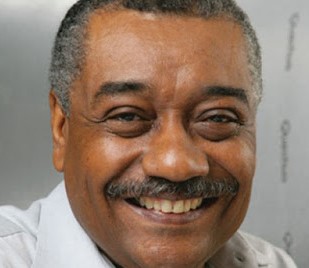
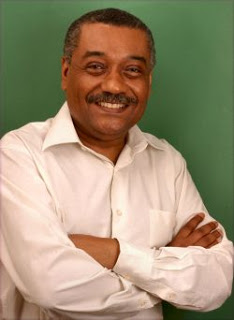
Brazilian Poet Carlos Machado
Photo Credit: Kultme, Sourced on Templo Cultural Delfos

My Poetry Corner March 2021 features the poem “The woman without a name” (A mulher sem nome) from the poetry collection Lot’s Wife (A mulher de Ló) by Carlos Machado, a Brazilian poet and journalist. Born in 1951 in Muritiba, Bahia, Northeast Brazil, Machado earned his bachelor’s degree in mechanical engineering at the Federal University of Bahia. He studied journalism at the Faculty of Cásper Libero in São Paulo, where he lived for forty years before returning to his home state of Bahia in 2020. He is the creator and editor of the fortnightly bulletin, poesia.net, in which he promotes contemporary Brazilian poets.

Machado’s poetry collection Lot’s Wife, published in 2018, reflects his deep concern for the condition of women. In support of the feminist movement, he is involved in studying the causes and means of combating the increasing incidents of violence against women in Brazil. The biblical story of Lot’s wife is a story of violence against a woman whose only crime was that of looking back.

For readers unfamiliar with the biblical story told in the Old Testament Book of Genesis, chapter 19, the God of Abraham destroys the towns of Sodom and Gomorrah for their sinful ways. Two angels warn Abraham’s nephew Lot, living in Sodom, of the coming cataclysm. They instruct him to flee with his family and not to look back until they had reached the next town. Only Lot’s wife and two daughters heed the warning. Other members of Lot’s extended family refuse to join them, declaring it fake news. We don’t know why Lot’s wife looks back as they leave Sodom. We know only that her punishment is immediate and severe: She is transformed into a pillar of salt. Silenced.

Continue reading →

“Christmas Poem” by Brazilian Poet Vinicius de Moraes

20 Sunday Dec 2020

Posted by Rosaliene Bacchus in Brazil, Poetry

≈ 62 Comments

Tags

Birth of Jesus, Brazilian Poet Vinicius de Moraes, Christmas Poem, COVID-19 deaths, Reflections on Human Mortality, Rio de Janeiro/Southeast Brazil

Brazilian Poet and Lyricist Vinicius de Moraes (1979-1980)
Photo Credit: Vinicius de Moraes Official Website

My Poetry Corner December 2020, featuring the poem “Poema de Natal” (Christmas Poem) by Brazilian poet and lyricist Vinicius de Moraes (1913-1980), is dedicated to those among us who have lost a loved one this year to COVID-19.

Born in the city of Rio de Janeiro, in Southeast Brazil, Vinicius de Moraes is the poet of love and passion. At twenty years old, he published his first book of poetry. Two years later, his second collection won Brazil’s National Poetry Award. He served as a diplomat during the period 1946 to 1969. His first diplomatic post was as Vice-Consul in Los Angeles (1946-1950) where he immersed himself in North American cinema and jazz.

His featured poem, “Christmas Poem,” written in 1946, appears unconnected with the Christmas story of the birth of Jesus in Bethlehem in Judea. Instead, as the title suggests, the poem is more like reflections on the passing year. The poet ponders over death and what is truly essential to our lives. Why such somber thoughts during the Christmas festivities? Had the sudden death of a great friend, the year before, unsettled his life? The loss of a loved one has a way of giving us a new perspective of human existence.

Continue reading →

“Begin Again” by Brazilian Poet Bráulio Bessa

20 Sunday Sep 2020

Posted by Rosaliene Bacchus in Brazil, Poetry

≈ 40 Comments

Tags

Ambassador of Brazil’s Northeast Culture, Brazilian poet Bráulio Bessa, Ceará/Northeast Brazil, Motivational poetry, Poem “Begin Again” (Recomece) by Bráulio Bessa, Poetry collection Poetry that Transforms (Poesia que Transforma) by Bráulio Bessa

Brazilian Poet Bráulio Bessa
Photo Credit: Official Website of Bráulio Bessa

My Poetry Corner September 2020 features the poem “Begin Again” (Recomece) from the poetry collection Poetry that Transforms (Poesia que Transforma) by Bráulio Bessa, a Brazilian poet and motivational speaker. The poet was born in 1985 in Alto Santo, a city of an estimated 17,000 people located in the semi-arid interior region of the State of Ceará in Northeast Brazil.

At fourteen years old, Bráulio began writing poetry in high school after learning about the work of Patativa do Assaré (1909-2002), a popular oral poet and son of poor peasant farmers who were also from Ceará’s impoverished hinterlands.

“When I had contact with [Patativa’s] poetry, I perceived that a poet with very simple language was capable of speaking about that which is most complex in the world, of passion, and of forgiveness,” Bráulio Bessa told Katy Navarro during an interview on TV Brasil in August 2019. “I put it in my head that I wanted to be a poet and started writing. The most beautiful thing in this was to feel the transforming power of literature, education, and art in my life. I realized that it was possible to also be an agent of transformation in the lives of other people.”

Filled with great dreams, Bessa took a college course in computer systems analysis which motivated him to promote his poetry on the Internet. During the TV Globo program, Encontro com Fátima Bernardes, in August 2018, he spoke about his journey to fulfilling his dream of becoming a poet.

“Living in a small city, I had this sensibility of understanding that a popular Northeastern poet generally goes to the local city market to recite poems as loud as possible to get people’s attention, and I looked at the Internet and said: This here is the world’s largest market, with all kinds of people, never closes, and doesn’t have borders. I began recording videos of poems, covering such themes as fear, prejudice, love, depression, and identity, and published them on the Internet.”

In 2012, Bessa’s videos gained national attention with over 250 million views. His “Northeast Nation,” launched on Facebook, promoting the culture of Brazil’s Northeast Region, has more than a million fans, earning him the nickname “Ambassador of the Northeast.” With his trademark Cearense accent and inseparable hat, and down-to-earth poetry, he enchanted the hearts of viewers.

The poet’s Facebook fame caught the attention of TV Globo, Brazil’s largest television network. Beginning in 2015, Bessa became a weekly participant on their TV program Encontro com Fátima Bernardes to speak about Brazil’s Northeast Culture with a poetic outlook.

The featured poem “Begin Again” is probably Bessa’s best-known poem. Inspiration for this nine-verse poem came from the tragic story of Laura Beatriz. In 2010, at eight years old, Laura lost her entire family in a landslide in Niterói, Rio de Janeiro. He speaks to her about hope, faith, and strength to begin again despite her adverse situation.

Every day is a day to begin again, no matter the magnitude of our problem. Cited below are verses 1, 2, 4, 5, 6, and 9 from Bessa’s poem “Begin Again.”

When life hits hard
and your soul bleeds,
when this overbearing world
hurts you, crushes you…
It is time to start over.
Begin TO FIGHT again.

When everything is dark
and nothing illuminates,
when everything is uncertain
and you only have doubts…
It is time to start over.
Begin TO BELIEVE again.

[…]

When evil is evident
and love conceals itself,
when the heart is empty,
when the hug is missing…
It is time to start over.
Begin TO LOVE again.

When you fall
and no one catches you,
when the force of what is bad
succeeds in knocking you down…
It is time to start over.
Begin TO RISE again.

When hopelessness
decides to whip you,
if everything that is real
is hard to bear…
It is time to start over.
Begin TO DREAM again.

[…]

Begin again, redo yourself,
remember what was good,
rebuild each dream,
rediscover some talent,
relearn when you make mistakes,
shake the hips when dancing,
and if one day, way ahead,
life gives a reverse,
recover your faith
and BEGIN AGAIN anew.

To read the complete featured poem and to learn more about the work of Bráulio Bessa, go to my Poetry Corner September 2020.

“Negridians” by Afro-Brazilian Poet Lívia Natália de Souza

21 Sunday Jun 2020

Posted by Rosaliene Bacchus in Brazil, Poetry

≈ 28 Comments

Tags

Afro-Brazilian poet Lívia Natália de Souza, Bahia/Brazil, Poem “Negridians” (Negridianos) by Lívia Natália de Souza, Poem “Square Dance” (Quadrilha) by Lívia Natália de Souza, Police brutality, Racism in Brazil

Afro-Brazilian Poet Lívia Natália de Souza
Photo Credit: Gazeta Online – Brazil

My Poetry Corner June 2020 features the poem “Negridians” (Negridianos) from the poetry collection Currents and other marine studies (Correntezas e outros estudos marinhos) by Lívia Natália de Souza, an Afro-Brazilian poet and university professor. Born in 1979 in Salvador, Bahia, Northeast Brazil, Lívia Natália earned her Bachelor’s degree in Literature at the Federal University of Bahia in 2002. She further earned a Master’s degree (2005) and Doctorate (2008) in Theories and Criticism of Literature and Culture at the same institution where she lectures in Literary Theory. She also coordinates and teaches Literary Creation Workshops and works in projects for children at risk.

Lívia Natália’s debut poetry collection, Black water (Água negra), published in Salvador in 2011, received the Capital Bank Culture and Art-Poetry Award. In her poem “Asé” from that collection, the poet describes herself in terms of her African roots and connection with the natural world.

I am a black tree of gnarled root.
I am a river of muddy and calm profundity.
I am the arrow and its range before the scream.
And also the fire, the salt of the waters, the storm
and the iron of the weapons.

During the poet’s 2016 interview with SciELO, a São Paulo-based online forum, Lívia Natália admitted that racism influenced her work. “Racism in [Brazil], which calls itself a racial democracy, structures all relationships,” she said. “When I enter a room, not just a woman enters, a black woman enters and people read me with the racism machine assembled, even if that person is not a racist.” She added: “Racism is present from the moment I open my eyes to the moment that I close them. And…it’s present in my dreams, my nightmares.”

When speaking about violence in Brazil, the poet noted: “A black man or a black woman has to be in a combat position 24 hours a day, because when we sleep, the racist who lives inside people appears to accuse us of something.”

The poet shared her own experience with Bahia’s military police (MP) in February 2016 when they censored her short poem, “Quadrilha,” selected for the project “Poetry in the Streets” and featured on a billboard in Ilhéus—a city in Bahia’s southern coastal region popular with tourists for its cultural heritage and beaches. Bahia’s Police Association called for its removal for “inciting prejudices and intolerance against the military police.” When news spread among the police force nationwide, the poet received rape and death threats.

Inspired by Carlos Drummond’s poem of the same name, Lívia Natália’s version of life’s “Square Dance” of human relationships is one of two lives interrupted by police brutality.

Maria did not love João.
Only worshipped his dark feet.
When João died,
murdered by the MP,
Maria kept all his shoes.

In killing João, the police did not only take João’s life. They also destroyed Maria’s hoped-for relationship with her beloved, leaving her only with memories of times spent together square dancing.

In the featured poem, “Negridians,” the poet explores the black and white divide that, far too often, ends in lives interrupted by police brutality. The poet describes this global divide—a meridian she calls negridian—in the first stanza.

There is an invisible line,
raging twilight dividing the current.
Something that distinguishes my blackness from your white flesh
on a map where I do not have dominion.

As a black woman, the poet has no power over the space the dominant white population has assigned her and other blacks. She expands on the effects of the imposed confinement and oppression in the second stanza.

My negritude navigates in the riffraff,
in the shadows where light does not wander,
and the line imposes itself powerful,
oppressing my black soul,
curly with folds.

The spaces in which blacks are forced to live are not conducive for developing their full potential as human beings. Though she does not mention the police, their powerful role of control can be inferred in the third verse.

In the third and final stanza, Lívia Natália notes that, while the negridianal meridian is invisible, blacks feel in the flesh the consequences of overstepping the boundaries imposed by the dominant white elite. Pain is interwoven between the verses. And anger, too.

There is a negridianal meridian in our lives,
destroying them in a treacherous manner,
the line is indeed invisible:
but burns on the backs
in blood-red tracks,
the track-blade of these absurd lines that you draw
while I don’t see them.

To read the featured poem in its original Portuguese and to learn more about the work of Lívia Natália de Souza, go to my Poetry Corner June 2020.

“Certainty” by Brazilian Poet Carlos Machado

17 Monday Feb 2020

Posted by Rosaliene Bacchus in Brazil, Poetry

≈ 25 Comments

Tags

Bahia/Brazil, Brazilian poet Carlos Machado, Poem “Certo” (Certainty) by Carlos Machado, Poetry collection Pássaro de Vidro by Carlos Machado, São Paulo/Brazil, The uncertainty of life

My Poetry Corner February 2020 features the poem “Certainty” (Certo) from the poetry collection Glass Bird (Pássaro de Vidro) by Carlos Machado, a Brazilian poet and journalist. Born in 1951 in Muritiba, Bahia, Northeast Brazil, Machado earned his bachelor’s degree in mechanical engineering at the Federal University of Bahia. He studied journalism at the Faculty of Cásper Libero in São Paulo, where he lives since 1980. He is the creator and editor of the fortnightly bulletin, poesia.net, dedicated mainly to the promotion of contemporary Brazilian poets.

Machado’s debut poetry collection, Glass Bird (Pássaro de Vidro), published in São Paulo in 2006, was well received by literary critics. From the first verse of his poem “Anatomies,” from the same collection, I glean that the glass bird reveals both faces of the human character: on one side, our obscure dreams and aspirations; on the other side, the things with which we surround ourselves.

anatomy of things

to strip bare
the glass bird
and see on its side
hidden from view
the other side
of its image
 

In his poem, “Things” (As Coisas), from his collection Blunt Scissors (Tesoura Cega, 2015), Machado looks at the things we accumulate to define who we are as individuals within society. Things have no say in our lives, the poet observes. They don’t have desires or power. Regardless of the value we bestow on them, they are all equal – all indifferent to humanity’s fate.

Things don’t have guilt.
They are only witnesses
of our comedies. 

Things don’t embrace causes.
It is useless to accuse them
of any inclination,
loyalty or felony. Continue reading →

“Silent Warrior” by Indigenous Brazilian Poet Márcia Wayna Kambeba

17 Sunday Nov 2019

Posted by Rosaliene Bacchus in Brazil, Poetry

≈ 54 Comments

Tags

Amazonas/Brazil, Belém/Pará/Brazil, Destruction of Amazon Rainforest, Indigenous Brazilian poet Márcia Wayna Kambeba, Poem “Silêncio Guerreiro” (Silent Warrior) by Márcia Wayna Kambeba, Poetry collection Ay Kakyri Tama – Eu Moro Na Cidade by Márcia Wayna Kambeba, Rights of Indigenous Peoples

Márcia Wayna Kambeba – Indigenous Poet – Belém – Pará – Brazil
Photo Credit: Brazilian Women’s Magazine Seja Extraordinária


My Poetry Corner November 2019 features the poem “Silent Warrior” (Silêncio Guerreiro) by Márcia Wayna Kambeba, the artistic name of Márcia Vieira da Silva, an indigenous Brazilian poet, geographer, performer, and activist for indigenous rights. Born in 1979 in the village of Belém do Solimões in the northern Brazilian state of Pará, she is of Omágua Kambeba ethnicity. At eight years, she moved with her family to São Paulo de Olivença—once the largest settlement of the Kambeba people—in Amazonas. Today, she lives in the city of Belém, capital of Pará.

In the opening stanza of the title poem—written in Tupi followed by its translation in Portuguese—of her poetry collection, Ay Kakyri Tama – Eu Moro na Cidade (Ay Kakyri Tama – I Live in the City), she writes:

I live in the city
This city is also our village
We do not erase our ancestral culture
Come white man, let us dance our ritual.

Influenced by her grandmother, a teacher and poet, Márcia Wayna began writing her first poems at twelve years. She earned a bachelor’s degree in geography at the Amazonas State University in Manaus. In 2012, she received her master’s degree at the Amazonas Federal University. For her dissertation, she documented the history of the Omágua Kambeba people from the sixteenth to the twenty-first century, examining the relationship between territory, identity, and ethnicity. Her poetry collection, self-published in 2018, is the transformation of her dissertation to inform others about the invisible life of indigenous peoples.

Continue reading →

Mother forgive us. We know not what we do.

01 Sunday Sep 2019

Posted by Rosaliene Bacchus in Anthropogenic Climate Disruption, Brazil

≈ 58 Comments

Tags

Brazil’s Amazon Rainforest, Carbon dioxide emissions, Climate change crisis, Lungs of Earth, Respect for Mother Earth, Web of Life

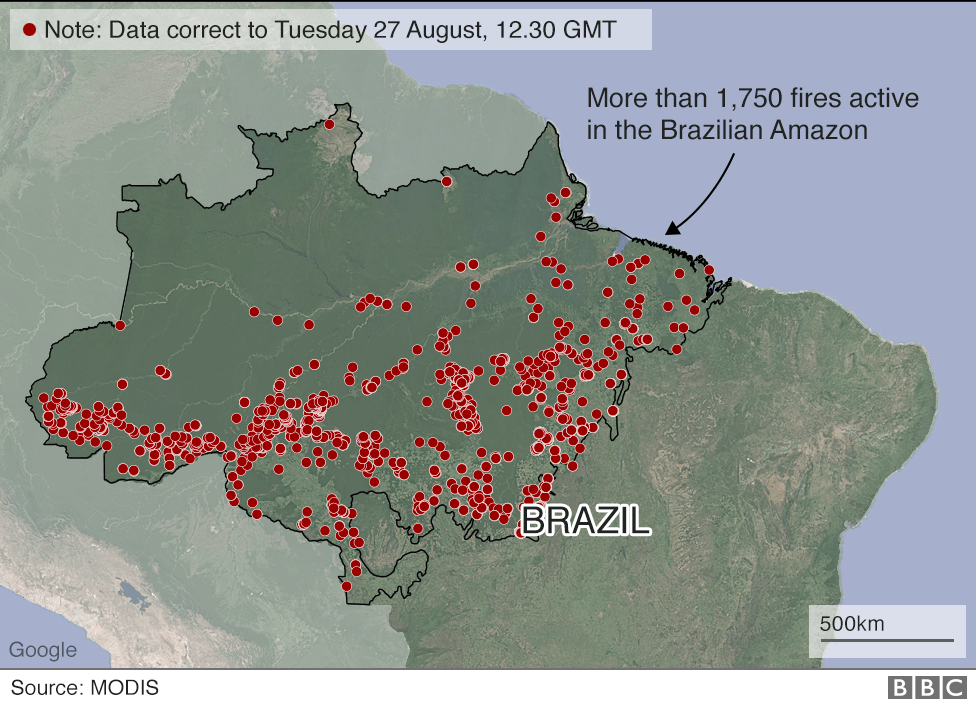
Map of Active Fires in the Amazon Basin – Brazil – August 27, 2019
Photo Credit: BBC News


Brazil’s Amazon rainforest is under attack. So far this year, she has received nearly 75,000 stab wounds, setting the targeted areas ablaze. Seventy-five thousand! Her belching smoke trails turned daylight into darkness over Brazil’s largest city, some 1,677 miles away. How many trees and the non-human lives they sustain have we humans condemned to ashes? For what?

Some arsonists are loggers, raping the forest for more wood to feed global demand. Others want easy access to the mineral wealth—gold, diamonds, iron-ore, and bauxite. Most of them are land-grabbers. They covet the land for raising more cattle and expanding soybean cultivation for animal feed production. We are trading the Amazon rainforest to satiate our taste for beef.

The Amazon Basin, regarded as the ‘Lungs of Earth,’ absorbs about 25 percent of Earth’s total carbon dioxide emissions and releases oxygen into the atmosphere. What could go wrong? Continue reading →

“Humanity” by Afro-Brazilian Writer & Poet Carolina Maria de Jesus

04 Sunday Nov 2018

Posted by Rosaliene Bacchus in Brazil, Poetry

≈ 72 Comments

Tags

Afro-Brazilian writer & poet, Carolina Maria de Jesus, Child of the Dark by Carolina Maria de Jesus, Favela de Canindé/São Paulo, Minas Gerais/Brazil, Poem “Humanity” by Carolina Maria de Jesus, Poema “Humanidade” por Carolina Maria de Jesus, Quarto de Despejo (Trash Room) by Carolina Maria de Jesus, São Paulo/Brazil

Carolina Maria de Jesus - Favela of Caninde - Sao Paulo - Before publication of first book

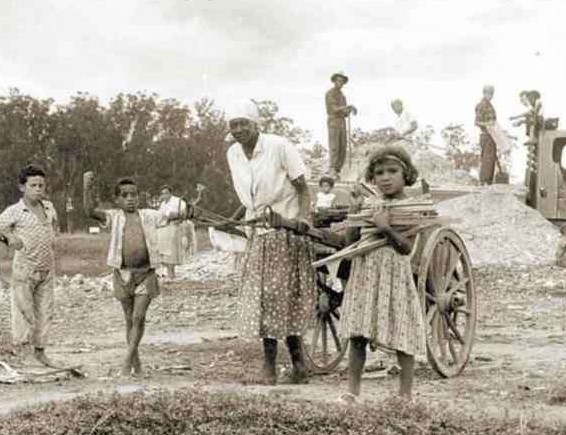
Carolina Maria de Jesus with cart – Favela of Canindé – São Paulo (circa 1958)
Photo Credit: Jornal Estado de Minas (Collection Audálio Dantas)


My Poetry Corner November 2018 features the poem “Humanity” (Humanidade) by Afro-Brazilian writer and poet, Carolina Maria de Jesus (1914-1977), born in a rural community in Minas Gerais, Southeast Brazil.

An illegitimate child of a sharecropping family, Carolina was treated as an outcast. After just two years in primary school, when she learned to read and write, she developed a love for reading. She dreamed of becoming a writer.

“The book…fascinates me,” de Jesus writes in My Strange Diary (Meu Estranho Diário). “I was raised in the world. Without maternal guidance. But books guided my thinking. Avoiding the abysses that we encounter in life. Blessed the time I spent reading. I came to the conclusion that it’s the poor who must read. Because the book, it’s the compass that we have to guide man into the future…”

In 1930, de Jesus moved with her family to the State of São Paulo, where she worked as a washerwoman and, later, as a housemaid. After her mother’s death in 1937, she moved to the state capital, an industrial megalopolis. In 1948, she became pregnant for a Portuguese sailor. After he abandoned her, she moved to the favela (slum) of Canindé. Two other children followed, for different fathers.

De Jesus eked out a living: working as a housemaid and scavenging for paper and scrap metal around Canindé. An independent woman, she refused to marry because of the domestic violence she witnessed around her. Writing on blank pages of used notebooks she found in trash cans, she began recording her day-to-day existence as one of society’s “discarded” and marginalized people.

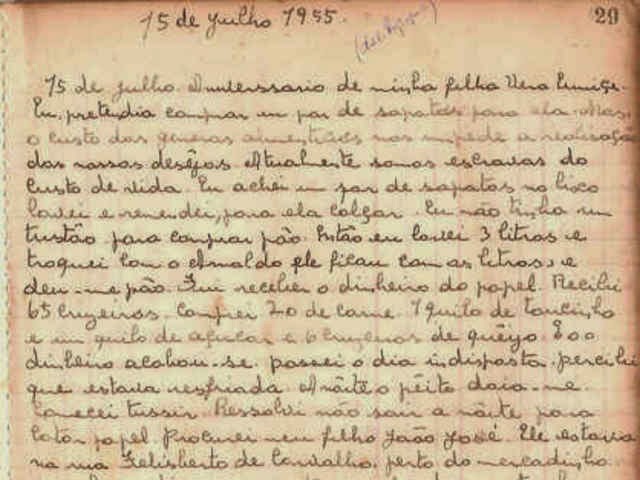
In her first entry, she writes: “July 15, 1955. The birthday of my daughter Vera Eunice [born 1953]. I wanted to buy a pair of shoes for her, but the price of food keeps us from realizing our desires. Actually we are slaves to the cost of living…”
Carolina Maria de Jesus - Manuscript 15 July 1955

Carolina Maria de Jesus – Manuscript of Journal – July 15, 1955
Photo Credit: Templo Cultural Delfos


Her stories, poems, and journal entries describe her struggle to rise above poverty and the ever-present specter of hunger. She calls attention to the social problems they face—prostitution, adultery, incest, alcoholism, physical violence, and foul language—and the consequences in their lives. She writes of the racial injustice and discrimination heaped on the poor and blacks in the favelas. She notes the empty promises made by politicians.

In an untitled poem from her journal, de Jesus requests:

Don’t say that I was trash,
that I lived on the margin of life.
Say that I was looking for work,
but I was always slighted.
Tell the Brazilian people
that my dream was to be a writer,
but I did not have money
to pay for a publisher.

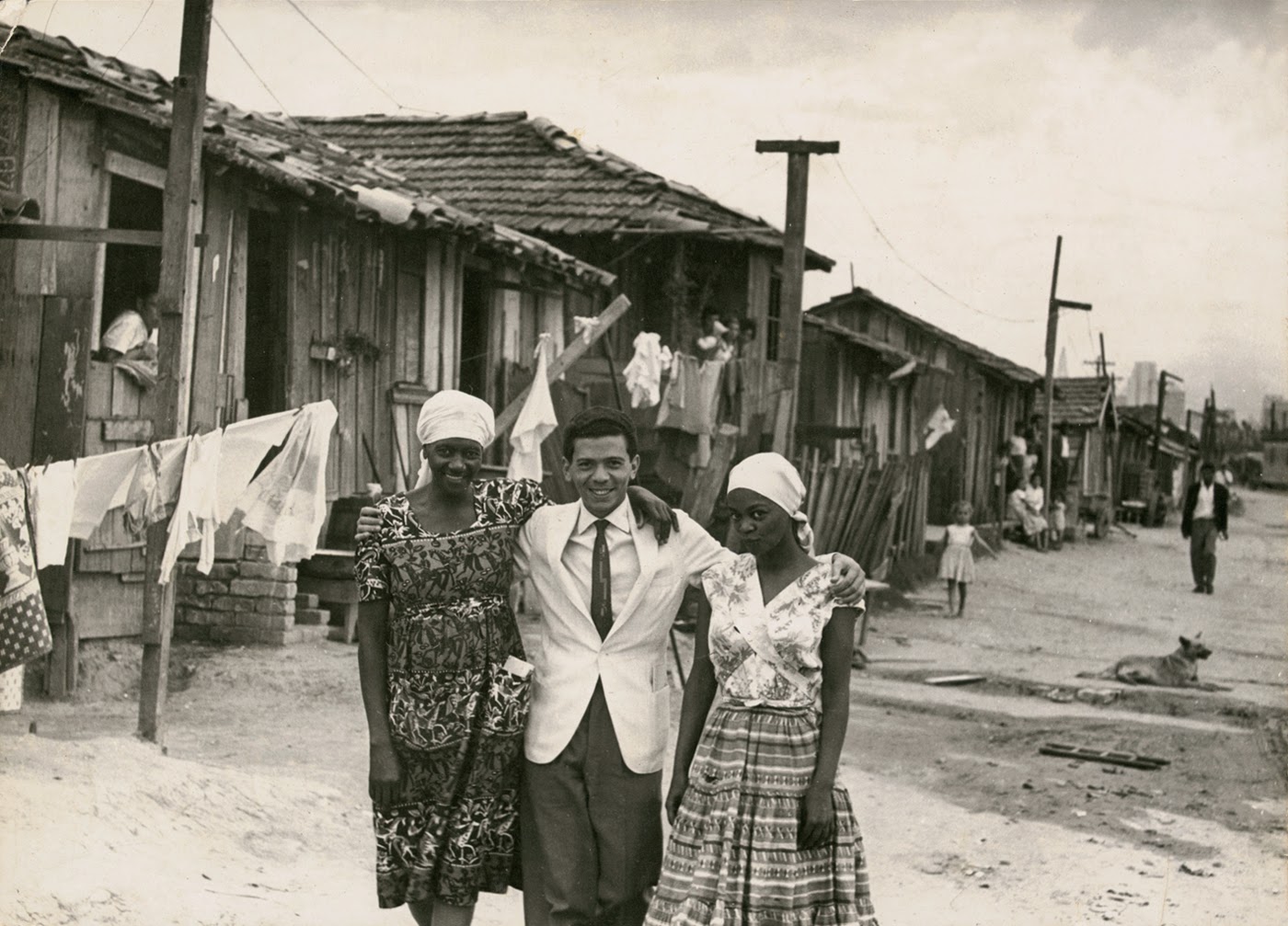
A breakthrough came in 1958 when Carolina de Jesus met the young journalist, Audálio Dantas, during his visit to the favela for an assignment. On learning about her journal, he recognized its uniqueness and sociological importance. Through Dantas’ influence, edited excerpts were published in a magazine. Their popularity among readers led to the publication of her journal in 1960 as a book titled, Quarto de Despejo (Trash Room).
Carolina Maria de Jesus, Audálio Dantas e Ruth de Souza na Favela do Canindé. São Paulo, 1961

From left to right: Carolina Maria de Jesus, Journalist Audálio Dantas, and Actress Ruth de Souza – Favela of Canindé – São Paulo – 1961
Photo Credit: Collection Audálio Dantas


When asked about the idea for the name of her book, de Jesus told the interviewer: “In 1948, when they began to demolish one-story houses to construct apartment buildings, we, the poor, that lived in collective housing units, were trashed and we began living under bridges. That’s why I call the favela the trash room for a city. We, the poor, are old junk.”

Trash Room became an instant bestseller, selling 10,000 copies within the first three days and 90,000 more copies over the next six months. The English version, Child of the Dark, followed in 1962. The book soon drew international attention. But, to the Brazilian literary elite, it lacked linguistic quality. Three more books published in the 1960s received little attention.
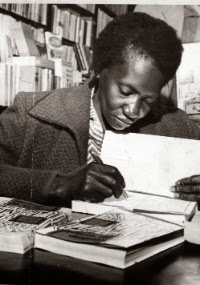
Carolina Maria de Jesus durante noite de autógrafos do lançamento de seu livro Quarto de Despejo, São Paulo, em 1960.

Carolina Maria de Jesus signing her book Quarto de Despejo – São Paulo – 1960
Photo Credit: Templo Cultural Delfos


In her poem, “Many fled on seeing me,” published posthumously (1996) in Personal Anthology, a poetry collection, de Jesus laments:

It was paper I collected
To pay for my living
And in the trash I found books to read
How many things I wanted to do
I was hindered by prejudice
When I die I want to be born again
In a country where blacks predominate

With her book royalties, Carolina de Jesus bought a house in a middle-class neighborhood. Admiration turned to envy. Some accused her of being ambitious and uncharitable.

The featured poem, “Humanity,” published posthumously in My Strange Diary, is composed of four stanzas with a rhyme scheme aabccb. De Jesus expresses her disillusions with humankind: the perversity, wickedness, greed, tyrannical…egoists, and hypocrisy.

After knowing humanity
its perversities
its ambitions
I have been getting older
and losing
the illusions

[…]

When I die…
I don’t want to be born again
It’s horrible, to endure humanity
that has a noble appearance
that conceals
its worst qualities

Unable to adjust to life among the middle-class, de Jesus moved to the countryside where she lived in poverty until the end of her life. Her passing in 1977 went virtually unnoticed. She left behind more than 5,000 handwritten pages that contained seven novels, over 60 texts of chronicles, fables, autobiography and stories, over 100 poems, and four plays.

To read the featured poem in its original Portuguese and learn more about the work of Carolina Maria de Jesus, go to my Poetry Corner November 2018.

NOTE: All translations from Portuguese to English done by Rosaliene Bacchus.


← Older posts
Newer posts →

Subscribe

  • RSS - Posts
  • RSS - Comments

Archives

  • January 2026
  • November 2025
  • October 2025
  • September 2025
  • August 2025
  • July 2025
  • June 2025
  • May 2025
  • April 2025
  • March 2025
  • February 2025
  • January 2025
  • December 2024
  • November 2024
  • October 2024
  • September 2024
  • August 2024
  • July 2024
  • June 2024
  • May 2024
  • April 2024
  • March 2024
  • February 2024
  • January 2024
  • December 2023
  • November 2023
  • October 2023
  • September 2023
  • August 2023
  • July 2023
  • June 2023
  • May 2023
  • April 2023
  • March 2023
  • February 2023
  • January 2023
  • December 2022
  • November 2022
  • October 2022
  • September 2022
  • August 2022
  • July 2022
  • June 2022
  • May 2022
  • April 2022
  • March 2022
  • February 2022
  • January 2022
  • December 2021
  • November 2021
  • October 2021
  • September 2021
  • August 2021
  • July 2021
  • June 2021
  • May 2021
  • April 2021
  • March 2021
  • February 2021
  • January 2021
  • December 2020
  • November 2020
  • October 2020
  • September 2020
  • August 2020
  • July 2020
  • June 2020
  • May 2020
  • April 2020
  • March 2020
  • February 2020
  • January 2020
  • December 2019
  • November 2019
  • October 2019
  • September 2019
  • August 2019
  • July 2019
  • June 2019
  • May 2019
  • March 2019
  • February 2019
  • January 2019
  • December 2018
  • November 2018
  • October 2018
  • September 2018
  • August 2018
  • July 2018
  • June 2018
  • May 2018
  • April 2018
  • March 2018
  • February 2018
  • January 2018
  • December 2017
  • November 2017
  • October 2017
  • September 2017
  • August 2017
  • July 2017
  • June 2017
  • May 2017
  • April 2017
  • March 2017
  • February 2017
  • January 2017
  • December 2016
  • November 2016
  • October 2016
  • September 2016
  • August 2016
  • July 2016
  • June 2016
  • May 2016
  • April 2016
  • March 2016
  • January 2016

Categories

  • About Me
  • Anthropogenic Climate Disruption
  • Brazil
  • Economy and Finance
  • Family Life
  • Festivals
  • Guyana
  • Health Issues
  • Human Behavior
  • Immigrants
  • Nature and the Environment
  • People
  • Philosophy
  • Poetry
  • Poetry by Rosaliene Bacchus
  • Recommended Reading
  • Relationships
  • Religion
  • Religion & Spirituality
  • Reviews – The Twisted Circle: A Novel by Rosaliene Bacchus
  • Reviews – Under the Tamarind Tree: A Novel by Rosaliene Bacchus
  • Save Our Children
  • Social Injustice
  • Technology
  • The Twisted Circle: A Novel by Rosaliene Bacchus
  • The Writer's Life
  • Uncategorized
  • Under the Tamarind Tree: A Novel by Rosaliene Bacchus
  • United States
  • Urban Violence
  • Women Issues
  • Working Life

Blogroll

  • Angela Consolo Mankiewicz
  • Caribbean Book Blog
  • Dan McNay
  • Dr. Gerald Stein
  • Foreign Policy Association
  • Guyanese Online
  • Writer's Digest
  • WritersMarket: Where & How to Sell What You Write

Meta

  • Create account
  • Log in
  • Entries feed
  • Comments feed
  • WordPress.com

Enter your email address to subscribe to this blog and receive notifications of new posts by email.

Join 3,233 other subscribers

Create a free website or blog at WordPress.com.

Privacy & Cookies: This site uses cookies. By continuing to use this website, you agree to their use.
To find out more, including how to control cookies, see here: Cookie Policy
  • Subscribe Subscribed
    • Three Worlds One Vision
    • Join 3,233 other subscribers
    • Already have a WordPress.com account? Log in now.
    • Three Worlds One Vision
    • Subscribe Subscribed
    • Sign up
    • Log in
    • Report this content
    • View site in Reader
    • Manage subscriptions
    • Collapse this bar
 

Loading Comments...