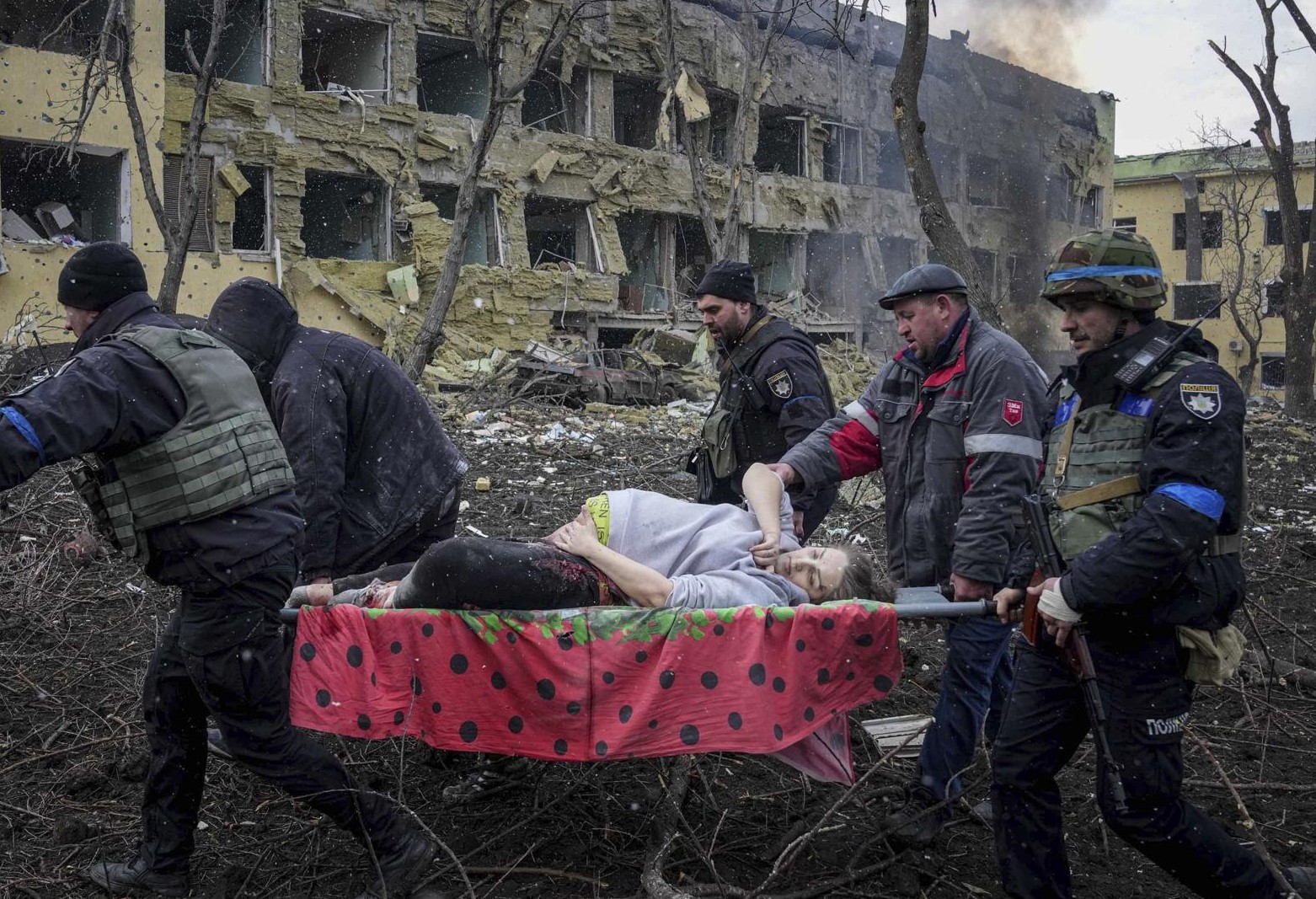
Pregnant woman and baby die after Russian bombing in Mariupol – Ukraine – March 14, 2022 Photo Credit: AP News
We raise our fists in protest to the heavens and pass laws in defense of life flowering in the womb yet think nothing of sacrificing that life to the gods of war.
Only when all life is sacred will we enjoy peace on Earth.
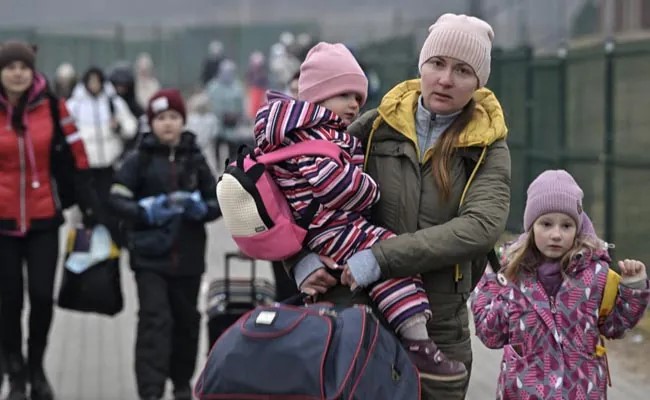
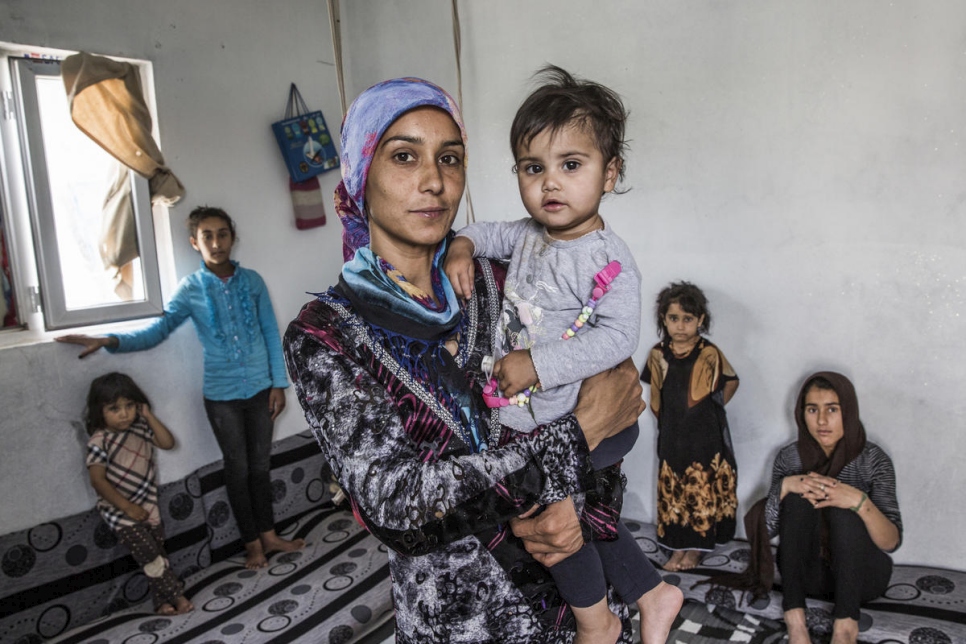
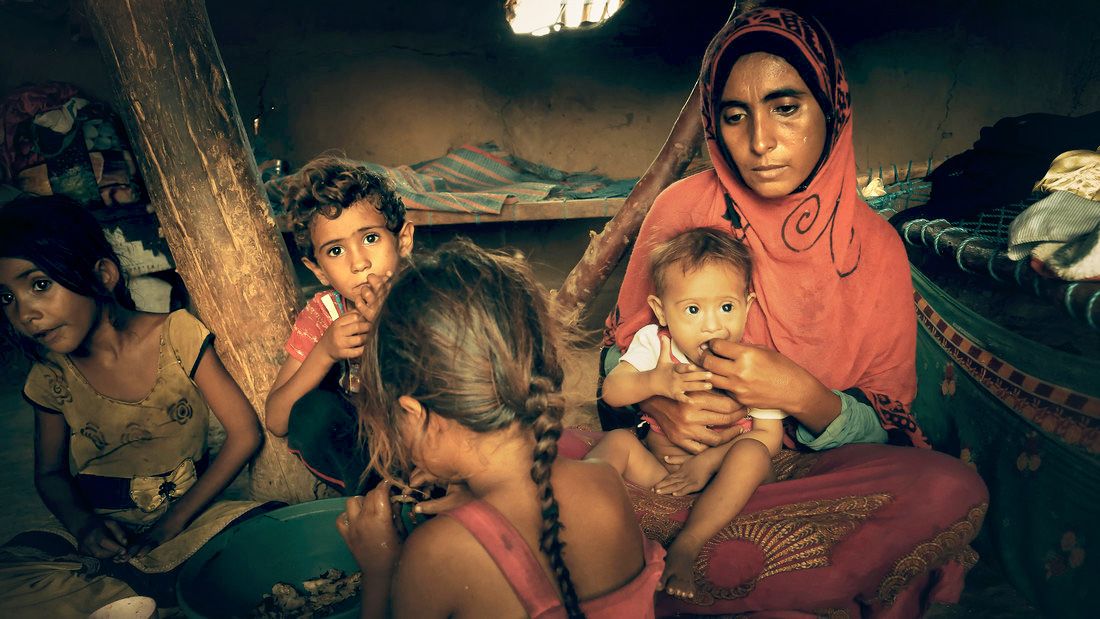
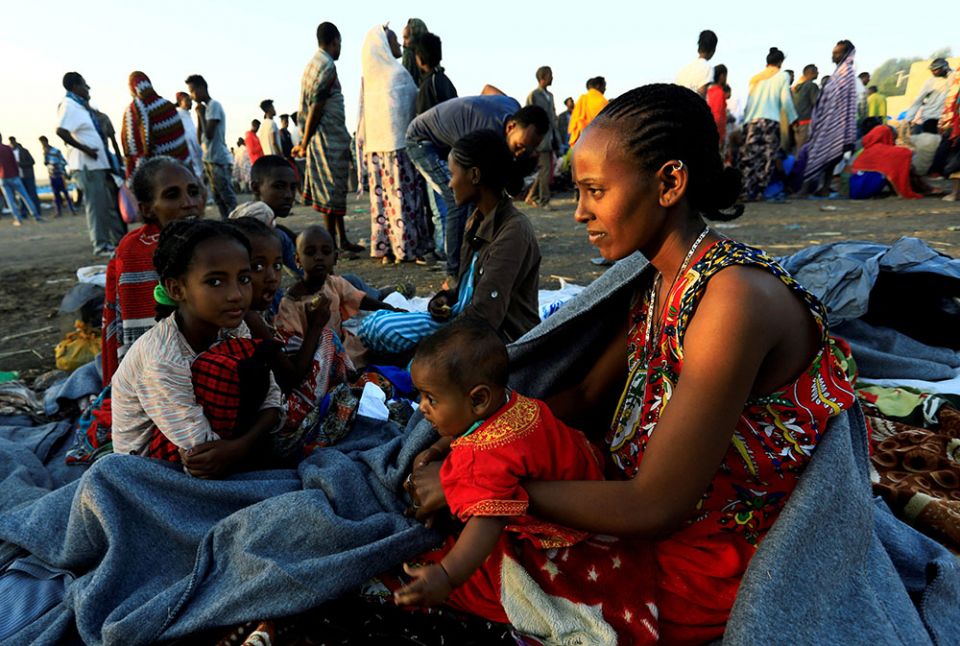
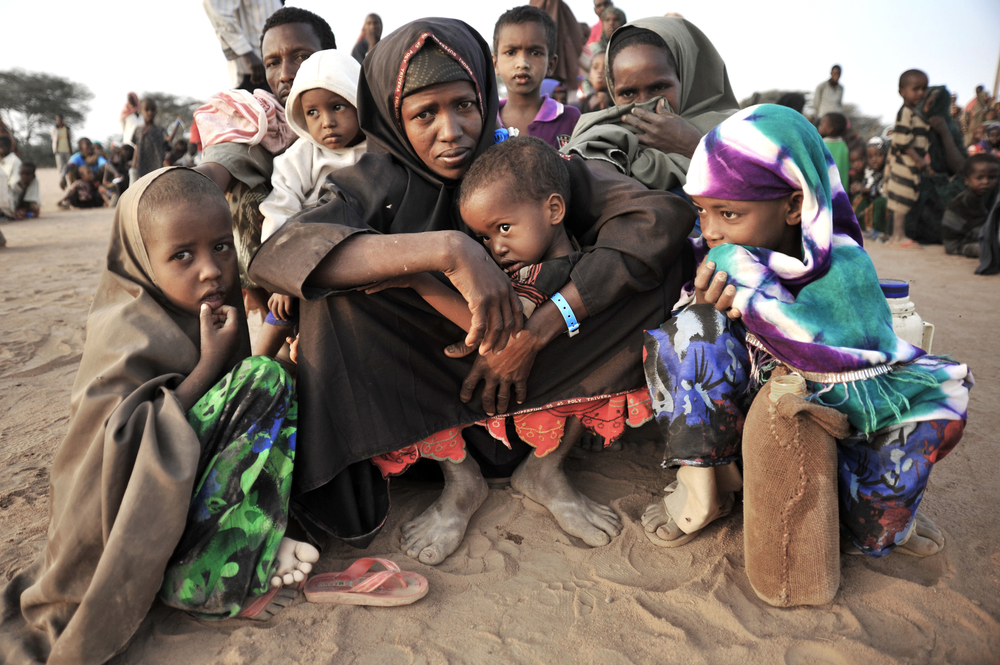
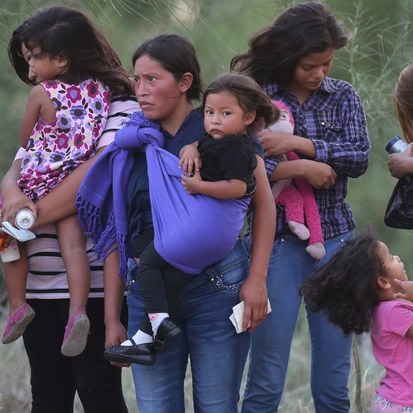
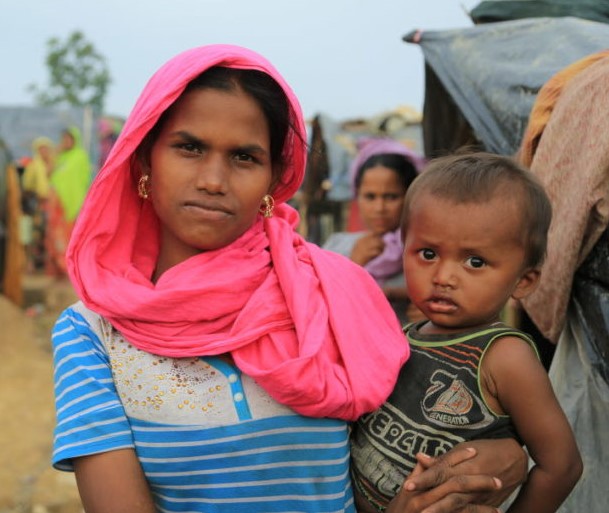
This Mother’s Day, I pay tribute to mothers worldwide who have fled violence and war-torn zones to save their children.
Mother and children flee war-torn Ukraine Photo Credit: NDTV
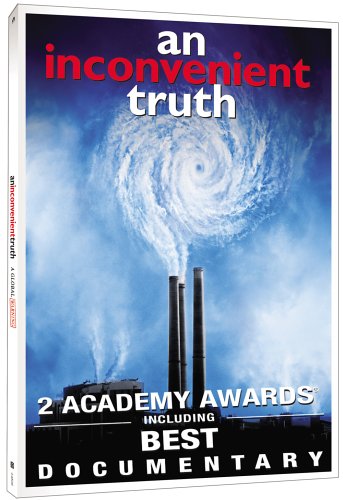
In her article “The State of the Earth 2022,” published on her blog Green Life Blue Water, American environment lawyer and author Pam Lazos provides an unsettling critique of where humanity stands when it comes to dealing with the inconvenient truth of our climate crisis and the threat to life as we know it on Planet Earth.
Not your typical Earth Day post
There are only two roads in life, growing and dying. Tolbert McCarroll, Notes from the Song of Life
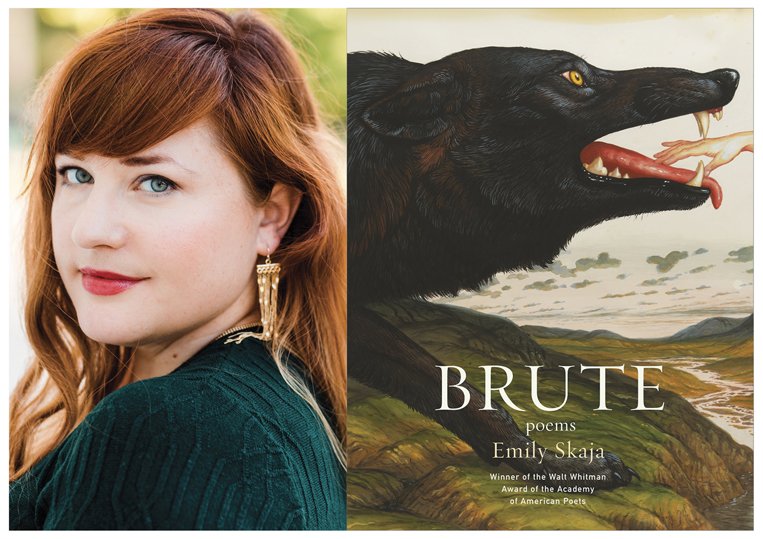
My Poetry Corner April 2022 features the poem “March is March” from the debut poetry collection Brute (Graywolf Press, 2019) by American poet Emily Skaja. Born and raised next to a cemetery in rural Illinois, Skaja earned an MFA in Creative Writing from Purdue University (Indiana) and a PhD in Creative Writing and Literature from the University of Cincinnati (Ohio) where she also earned a certificate in Women’s, Gender, and Sexuality Studies. She is an Assistant Professor in the MFA program at the University of Memphis, Tennessee, where she resides.
Winner of the 2018 Walt Whitman Award of the Academy of American Poets, Brute is largely autobiographical and took five years to write, beginning in 2012. The poems deal with grief, partner violence, transformation, break-ups, and voicelessness. The poet also examines her role in a situation of abuse, control, and obsession.
The book’s title is “used pejoratively to describe the abusive behavior of the men in the book,” Skaja told Ross Nervig during their 2019 conversation for The Adroit Journal, “but it is also a word the speaker uses critically against herself, in examining the way she responded to violence with violence.” She added that the book explores “the way that women are set up to be victims of patriarchal, violent behavior while at the same time using those same tactics to defend themselves.”
This is the second of a three-part series of overviews of the book, Deep Adaptation: Navigating the Realities of Climate Chaos, Edited by Jem Bendell & Rupert Read (UK/USA 2021). Here’s the link to Part I: “Climate Chaos: Humanity’s Predicament.”
Part II (chapters 4 to 8) of the book explores the ‘shifts in being’ that can occur and be supported in the event of a societal collapse due to the planetary climate and ecological crises. In Chapter 4, psychologist and co-founder of the Climate Psychology Alliance (CPA) Dr. Adrian Tait describes the ways in which psychotherapists are beginning to change in response to growing public distress, giving rise to the terms ‘climate-distress’ or ‘eco-distress.’
The CPA came into being in the United Kingdom during 2009-2012 following the mobilization of psychotherapists and academics in the field concerned about increasing evidence of climate and ecological destabilization due to human activities. The alliance has two main objectives:
To promote understanding of the way our minds work in preventing us from acting in the face of climate chaos, and
To develop support systems for those of us who are committed to persistent engagement in dealing with humanity’s predicament.
“Support is essential,” Dr. Tait notes. “If we have not been racked by grief over what is happening, then we are shutting its meaning out of our hearts and bodies. But if we remained immersed in grief alone, we would become part of the wreckage. The loss is continuous and mounting, which prevents us from moving on as in normal mourning. We need relief from the pain” (p.106).
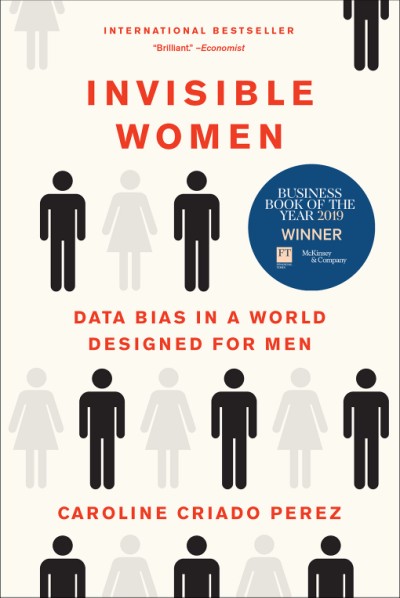
Front Cover: Invisible Women: Data Bias in a World Designed for Men by Caroline Criado Perez (Paperback Edition, 2021) Photo Credit: Abrams Books
Women are doing far and away more than our fair share of [unpaid care work] – this necessary work without which our lives would all fall apart. And, as with male violence against women, female biology is not the reason women are the bum-wiping class. But recognizing a child as female is the reason she will be brought up to expect and accept that as her role. Recognizing a woman as female is the reason she will be seen as the appropriate person to clear up after everyone in the office. To write the Christmas and birthday cards to her husband’s family – and look after them when they get sick. To be paid less. To go part-time when they have kids.
Failing to collect data on women and their lives means that we continue to naturalize sex and gender discrimination – while at the same time somehow not seeing any of this discrimination. Or really, we don’t see it because we naturalize it – it is too obvious, too commonplace, too much just the way things are to bother commenting on. It’s the irony of being a woman: at once hyper-visible when it comes to being treated as the subservient sex class, and invisible when it counts – when it comes to being counted.
Excerpt from Invisible Women: Data Bias in a World Designed for Men by Caroline Criado Perez, Abrams Press, New York, Paperback Edition 2021 (pp. 313-314). [Original Hardcover Edition, published by Chatto & Windus (UK) and Abrams (USA), 2019.]
CAROLINE CRIADO PEREZ is a best-selling and award-winning writer, broadcaster, and award-winning feminist campaigner. Invisible Women: Data Bias in a World Designed for Men is the winner of the 2019 Royal Society Science Book Prize and the 2019 Financial Times Business Book of the Year Award. She lives in London (UK) where she also writes a weekly newsletter keeping up with the latest data on the gender data gap.
Our identity is such an integral part of who we are as individuals that we can take it for granted, without question. As a female of the primate species homo sapiens (wise man), I share the same identity with an estimated 3.905 billion female humans, representing 49.58 percent of the total human population on Planet Earth in 2021 (UN World Population Prospect 2019). The similarity of our identities end there. They are as diverse and complex as the technologically advanced societies we humans have created on Earth.
My identity was forged during a period of great geopolitical upheaval. The economic power of the British Empire had taken a direct hit during World War II, bringing my small world in then British Guiana under the control of the emergent dominance of the United States of America. Descendants of African slaves and indentured laborers from China, Madrid (Portugal), and India, we were inferior beings in the eyes of the dominant white male governing class. My skin color and social status as a member of the working-class became defining elements of my identity.
Following the birth of our independent nation of Guyana in 1966, we forged a new identity as a multiracial, multiethnic country of six peoples—African, Indian, Chinese, European, and Amerindian—united under the motto of “One People, One Nation, One Destiny.” Breaking free from old ways of being does not come easy. Just look at what is happening today to the members of our human family in Ukraine, a former Soviet Socialist Republic, as they seek to forge a new identity as a democratic nation, realigned to Western Europe.
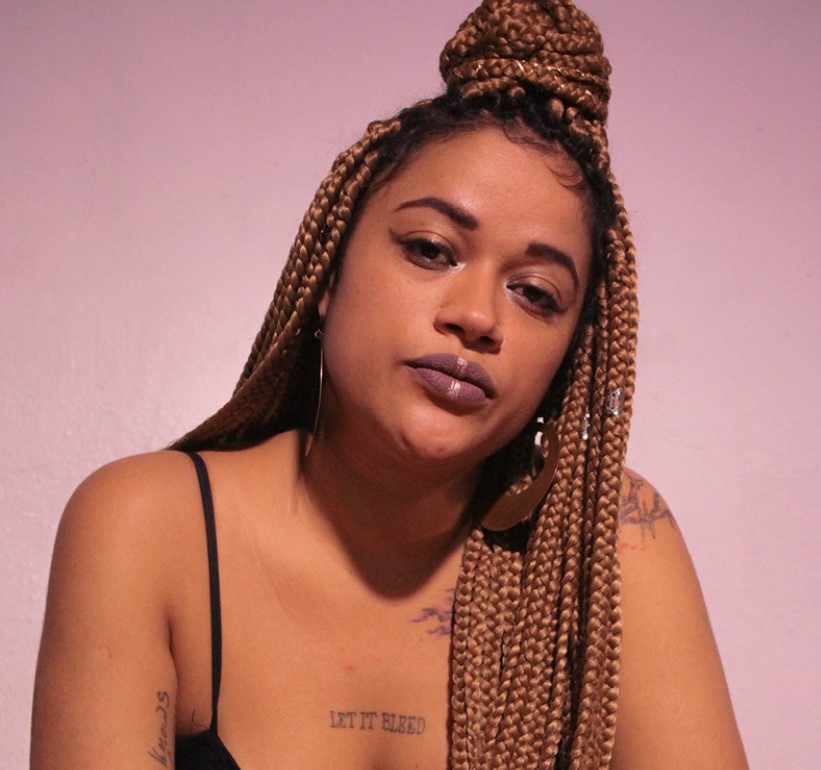
MyPoetry Corner March 2022 features the poem “Identity” (Identidade) from the 2017 debut poetry collection Everything in Her Shines and Burns: Poems of Struggle and Love (Tudo Nela Brilha e Queima: Poemas de Luta e Amor) by Afro-Brazilian poet Ryane Leão. A lesbian and English language teacher, born in 1989 in Cuiabá, capital of the Center-West State of Mato Grosso, Ryane moved to São Paulo where she studied literature at the Federal University of São Paulo. Considered one of the most representative militants of Brazilian poetry today, Ryane’s poems speak mainly about female empowerment, social inequality, and the struggle against racism.
Influenced by her poetry-loving parents, Ryane grew up with a fascination for literature and began writing as a child. But she never saw herself in the stories of Brazil’s famous poets, mostly white males. That changed when she moved to São Paulo. With exposure to poetry by black women, she discovered another type of poetry that spoke to her life experience.
Her journey to penning her own stories were strewn with shards of glass, as shared in the following autobiographical poem:
how many times my mother sat on the edge of the bed
and helped me remove the shards of glass from my feet
and said few would deserve my love
that the world would hurt me because I was born
with too much heart
that I had to stop being so good
or I would have nothing left
beyond the shards
that she pulled out
with care and patience
planting flowers
in their place
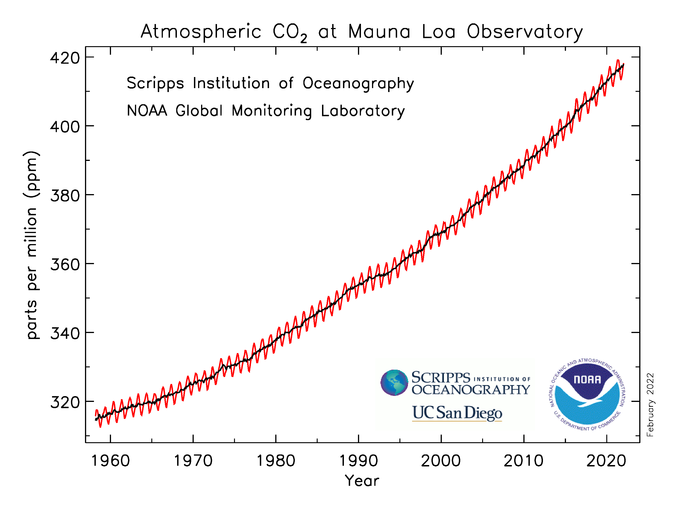
NOAA Atmospheric Carbon Dioxide at Mauna Loa Observatory 1960-2020 Source Credit: NOAA
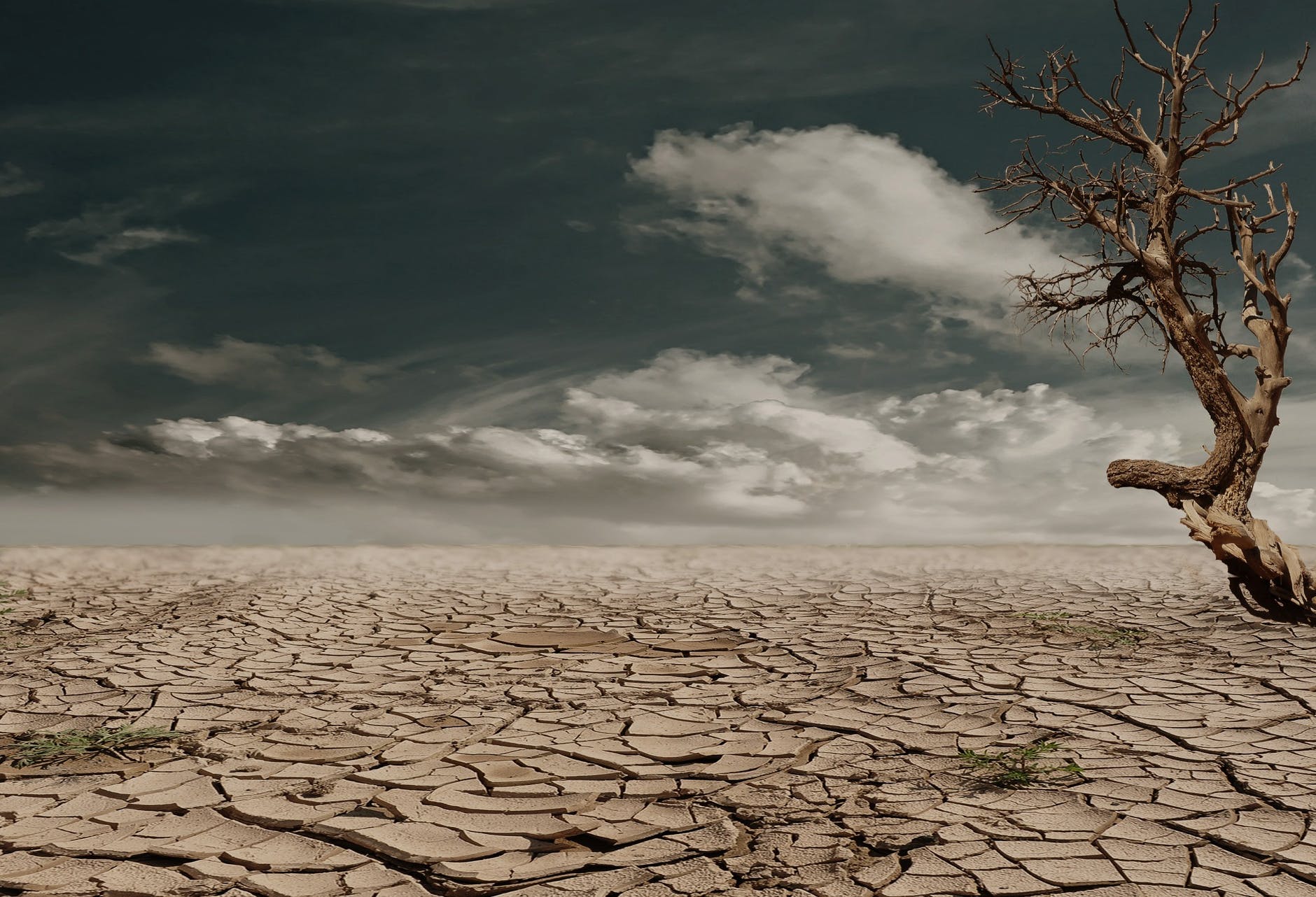
We the inhabitants of Earth are in trouble. Serious trouble. Our failure, so far, to end our addiction to fossil fuels and change our consumption habits may well lead to societal collapse within our own lifetime. Such is humanity’s predicament.
In their book, Deep Adaptation: Navigating the Realities of Climate Chaos (UK & USA 2021), Editors Jem Bendell and Rupert Read present “an agenda and framework for responding to the potential, probable or inevitable collapse of industrial consumer societies, due to the direct and indirect impacts of human-caused climate change and environmental degradation.” (Introduction, p.2)
By ‘societal collapse’ they refer to an uneven ending of the consumer systems that make our lifestyles possible. These are systems that we take for granted: sustenance, shelter, health, security, pleasure, identity, and meaning. The term ‘collapse’ implies a permanent and total breakdown of these systems. There is no going back to the way things were before the breakdown. The word ‘deep’ takes us deeper into the causes and numerous ways in which we respond to catastrophe as individuals, organizations, and societies.
The Covid-19 global pandemic provided a preview of the vulnerability of our normal ways of life. Beyond the initial health crises, the pandemic triggered an ongoing series of cascading effects on our local and national economies—increasing joblessness, homelessness, and food insecurity. The domestic political upheaval continues to divide us. The disruption in our consumer and industrial supply chains plague us still.
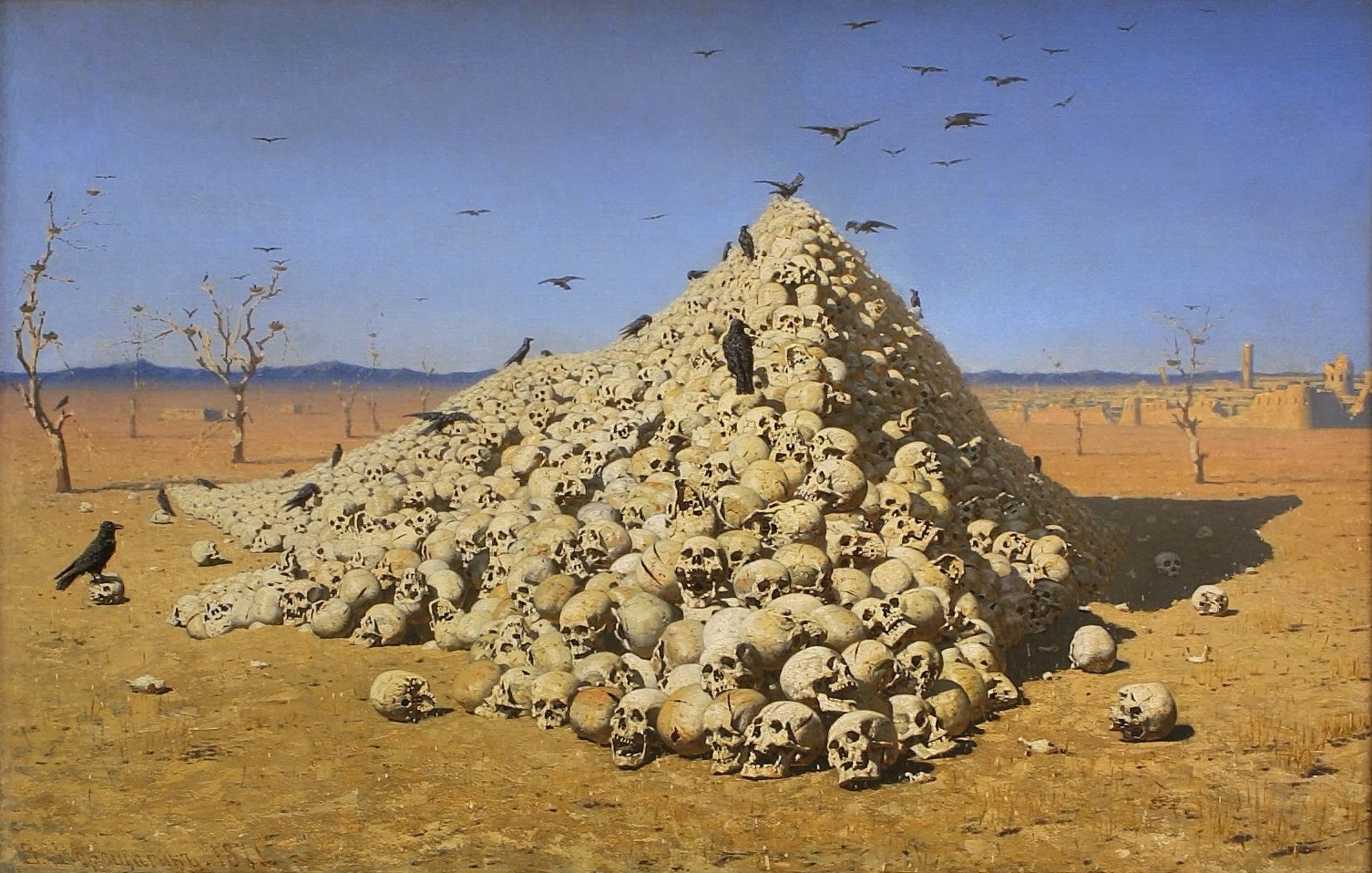
The Apotheosis of War by Russian Artist Vasily Vereshchagin – Oil on Canvas, 1871 Photo Credit: Wikipedia
What happened in the former Soviet Union illustrates the main thesis of [The Chalice & The Blade: Our History, Our Future]: The real struggle for our future is not between capitalism and communism, left and right, religion and secularism, or any of the other struggles constantly in the news. It is between beliefs and social structures orienting primarily to either the partnership model or the dominator model of society.
~ Excerpt from the “Special 30th Anniversary Epilogue” of The Chalice & The Blade: Our History, Our Future by Riane Eisler, HarperCollins Publishers, New York, USA, 1987.
The dominator model of society and governance is on full display as Russian President Vladimir Putin launches a large-scale military attack on Ukraine, an independent nation since 1991 following the collapse of the Soviet Union. There is no room for respectful negotiations, cooperation, and peaceful coexistence when the “masculine virtues” of toughness, aggressiveness, and dominance take precedence. Women and children in both Ukraine and Russia will suffer most from the violent upheaval of their lives.
When will we humans learn that war is not the answer to what ails our world?
RIANE EISLER, a social systems scientist, cultural historian, and attorney, is president of the Center for Partnership Studies (CPS), dedicated to research and education. She is known worldwide for her bestseller The Chalice & The Blade: Our History, Our Future, now in 27 foreign editions and 57 printings in the USA. The late Archbishop Desmond Tutu praised her book on economics, The Real Wealth of Nations: Creating a Caring Economics, as “a template for the better world we have been so urgently seeking.”
Spiritual Courage in the Face of Toxic Harassment The Twisted Circle tells the story of Sister Barbara, a nun who has just transferred to a convent in the northern jungle region of Guyana to teach school. Like the other nuns, she cares very much about the students. Her sudden promotion to the position of headmistress […]
JoAnne Macco, now retired, has worked for thirty years as a mental health therapist, specialized in addictions and codependency. Growing up in a military family, she lived in six U.S. states and Canada. Her love for nature, art, and writing became the constants in her life. In her first book, Trust the Timing: A Memoir of Finding Love Again, Macco tells the story of how her high school sweetheart found her thirty-nine years later when the timing was perfect. She blogs at “Anything is Possible!” where she writes about relationships, spirituality, and hope. She lives with her husband in North Carolina. Learn more at https://joannaoftheforest.wordpress.com/about/