“Mother in the Morning” – Poem by Caribbean Poet Danielle Boodoo-Fortuné

Tags

, , ,

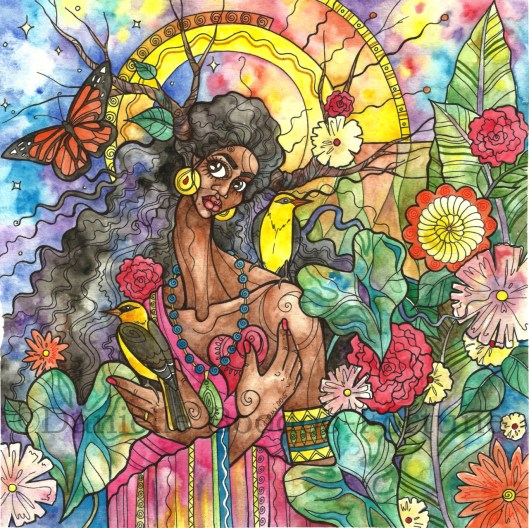
Gardener of Small Joys - Painting by Danielle Boodoo-Fortune

“Gardener of Small Joys” – Painting by Danielle Boodoo-Fortuné
Source: Wings & Fire

My Poetry Corner July 2016 features the poem “Mother in the Morning” by Caribbean poet and artist, Danielle Boodoo-Fortuné, who lives in the twin island republic of Trinidad & Tobago. Raised by her two grandmothers, her maternal grandmother of East Indian descent and African-Chinese paternal grandmother, Boodoo-Fortuné’s creative work reflects their influence during her formative years.

In her poetry, Boodoo-Fortuné depicts the woman, the sacred feminine, as a hero in her own right regardless of her marital status. This shines through in her featured poem.

In the first stanza, the mother escapes from her morning chores for a moment of solitude.

Mother sips tea in her garden on mornings,
abandoning the kitchen that echoes with breakfast,
lunch kits, laces untied, and the dripping faucet…

The woman’s role as mother does not bind her to the home and caring for her children. She is also a woman who has an inner, separate self, grounded in Mother Earth. The “dripping faucet” suggests that there is no man in her life.

She sits on a cracked footstool in silence
as the heat from the teacup rises,
whispers warm, comforting secrets
only she can understand.

Not only is her life energy sapped daily like the “dripping faucet,” but her family’s future is also at risk of collapsing like the “cracked footstool.” Yet, she does not fall apart. Her inner strength helps her to face another new day.

The second stanza reveals the mother’s relationship with the world and its inherent dangers for a woman.

There are sharp things in the ground
and her hands are soft
but she never wears gloves…

She doesn’t shield herself from being hurt. In doing so, she would also lose the richness that life offers through human relationships.

She is not afraid of the damp, dark earth
with its shards of buried glass and crawling creatures.
She has planted hope,
seen it grown tall.

In her connection with the creative forces of Mother Earth, the mother knows the power of love and hope for the future that she carries deep within her womb.

In the third stanza, the mother becomes a new type of woman born of her pains and struggles as well as those of former generations of women.

When my mother’s hands are in the dew-damp earth
and she is fragile in the morning light,
sharp things are buried in her, …

Though a woman may appear fragile, she has grown strong through her daily struggles to rise above her subservient role in a violent and patriarchal world.

and I realize how the fluorescent kitchen light dims her,
hides the secret flower she is growing
that only blooms when she does.

Until the woman gains equal status with her male counterpart, her gift to the world remains diminished and suffocated. Without her voice in policy-making at all levels of society across our world, there can be no end to the violence she endures daily, the growing chaos, and endless wars.

To learn more about Danielle Boodoo-Fortuné and her work, go to my Poetry Corner July 2016.
Reflections: The Pyramid

Tags

, , , ,

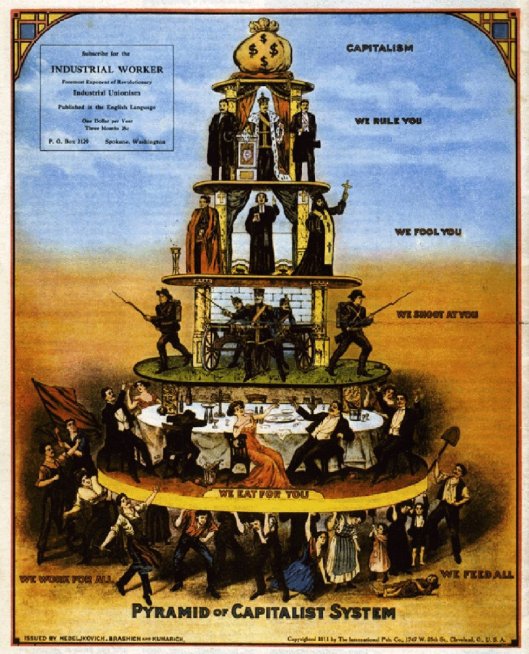
Pyramid of Capitalist System

The Pyramid of Capitalist System
Photo Credit: Evolutionary Economics


The pyramid
primordial mound
rising from the depths
ancient tomb of pharaohs
reflective sides mirroring the sun
gateway to the heavens beyond the earth
transforming the soul for its union with the gods.

The pyramid
tomb of the masses
forever trapped in its base
herded, cajoled & discarded
struggle, fight & kill each other
to sustain the few at the top of the pyre
bloated with their contempt, gorging on human flesh.

The pyramid
legacy of an ancient civilization
points to the heavens, the expanding universe
beyond the limits of our small finite world
to the full realization of our true being
a limitless spirit, capable of the impossible
together as one, sharing the gifts of the earth.


“Imagine the Angels of Bread” – Poem by Martín Espada

Tags

, , ,

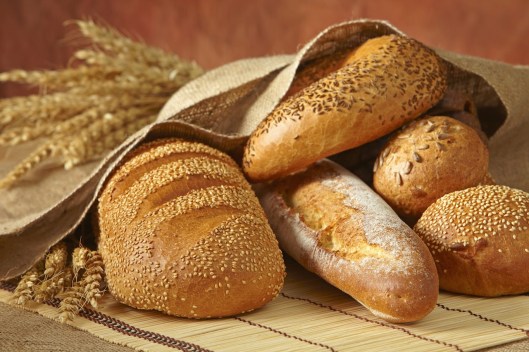
The Bread of Life

My Poetry Corner June 2016 features the poem “Imagine the Angels of Bread” from the poetry collection, Alabanza: New & Selected Poems, 1982-2002, by Martín Espada, an American poet, essayist, translator, editor, and attorney.

After studying history at the University of Wisconsin-Madison, Espada earned his law degree from Northeastern University. For many years, he was a tenant lawyer and legal advocate. Today, he teaches poetry and English at the University of Massachusetts, Amherst. He has dedicated much of his career to the pursuit of social justice, including fighting for Latino rights and reclaiming the historical record. Through his poetry, he speaks for the socially, economically, and racially marginalized individuals who have no voice. Continue reading

“Eden Hades” by Brazilian Poet Olga Savary

Tags

, , ,

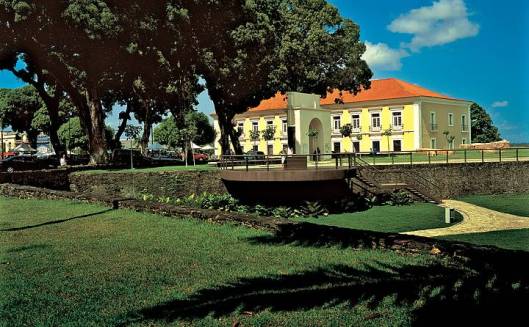
House of Eleven Windows - Historic Center - Belem - State of Para - Brazil

“House of Eleven Windows” – Historic Center – 18th Century Architecture
Former residence of a sugar plantation owner
Belém – State of Pará – Brazil
Photo Credit: Brazil Ministry of Tourism


My Poetry Corner May 2016 features the poem “Eden Hades” by Brazilian poet Olga Savary. Born in May 1933 in Belém, capital of the State of Pará in North Brazil, she was the only child of a Russian father and a Brazilian mother. After her parents separated in 1942, she moved with her mother to Rio de Janeiro.

With the publication of twelve books of her poetry, more than fifty translations of renowned foreign poets, and anthologies of North and Northeast Brazilian poets, Savary has an impressive body of literary work.

“Eden Hades” is the final poem in Savary’s collection of the same name, published in 1994. Like the Biblical Garden of Eden, her Eden is a garden providing three essential ingredients for life: water, sunlight, and fruit.

Water gardens satisfy our thirst
sunshine swollen in veins
hanging like mango

Our human nature sets us up for failure. With our needs fulfilled, we feel deserving and in control of our destiny. Then, forgetful of the reason for our existence and the natural laws governing our lives, we unleash insecurity and chaos.

and I was like the owner of a ship
arrogant, deserving. Just like
an open vowel, I opened doors for the sand
in sudden loss of memory.
Continue reading

“Sugar” – Poem by Guyanese Poet Ruel Johnson

Tags

, , , , ,

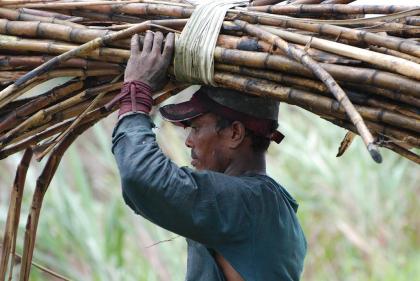
East Indian Cane Cutter - Guyana - Photo by John Gimlette

East Indian Cane cutter – Guyana
Photo by John Gimlette (2013)

In honor of Guyana’s fiftieth Independence anniversary on May 26th, my Poetry Corner April 2016 features an excerpt from the poem “Sugar” by Guyanese poet and award-winning short story writer Ruel Johnson. His work largely focuses on social and political issues facing Guyana. In the long, multi-sectional featured poem, he addresses the legacy of colonialism on the enduring divide between the two major ethnic populations: the descendants of African slaves and East Indian indentured laborers.

In section 1—stalk, Johnson recalls his boyhood days growing up in the capital. Sugarcane was a sweet treat. His imagery of his mother whacking the stalk along the joints with her best knife takes us into the canefields. The sweet juice comes at a great price. Continue reading

“The Marvelous Women” – Poem by Syrian-American Poet Mohja Kahf

Tags

, , , ,

Queen Scheherazade - Persian Queen of the 1001 Nights

Legendary Persian Queen Scheherazade
Storyteller of One Thousand and One Nights
Photo Credit: Wikipedia/Painting by Sophie Anderson

My Poetry Corner March 2016 features the poem “The Marvelous Women” from the poetry collection, E-mails from Scheherazad, by Syrian-American poet and author Mohja Kahf. Born in Damascus, Syria, Kahf was four years old when she migrated with her parents to Utah in 1971. After obtaining their university degrees, her parents moved with her to Indiana. When she was in tenth grade, they relocated to New Jersey where she later obtained her doctorate in comparative literature at Rutgers University. Following her marriage, Kahf settled in Arkansas. An associate professor at the University of Arkansas, she teaches comparative literature and Middle Eastern Studies.

The opening stanza of “The Marvelous Women” caught my attention.

All women speak two languages:
the language of men
and the language of silent suffering.
Some women speak a third,
the language of queens.
They are marvelous
and they are my friends.

I know well the language of men and the language of silent suffering. What was this language of queens? Perhaps the answer lies in the title of Kahf’s poetry collection. Scheherazade is the legendary Persian queen and storyteller of One Thousand and One Nights. Continue reading

“The Pedagogy of Steel” by Brazilian Poet Pedro Tierra

Tags

, , , , , ,

Memorial of Massacre of Eldorado dos Carajas - 17 April 1996

Memorial of Massacre of Eldorado dos Carajás – Pará – Brazil
Photo Credit: Globo (Glauco Araújo)
Learn more about the Landless Rural Workers Movement (MST)


My Poetry Corner February 2016 features the poem “The Pedagogy of Steel” (A Pedagogia dos Aços) by Brazilian poet Pedro Tierra, pen name of Hamilton Pereira da Silva, a politician and Secretary of Culture in the Federal District.

Born in 1948 in Porto Nacional (Tocantins), Pedro Tierra abandoned his studies to join the resistance movement to overthrow the military dictatorship (1964-1985). In 1972, he was arrested and tortured for his subversive activities. During the five years he spent in prison, he lost several of his companions.

To survive and maintain his sanity, he began writing poetry. Adapting a Spanish pen name deterred exposure. He smuggled his poems to friends outside the prison, keeping them informed of life in captivity. Continue reading

“History Shelves” – Poem by Caribbean-American Poet Sassy Ross

Tags

, , , ,

Father-and-Daughter-Silhouette

Father and Daughter
Photo Credit: Parent Cue

My Poetry Corner January 2016 features the poem “History Shelves” by Caribbean-American poet Sassy Ross. Born in St. Lucia, at the age of ten, she moved to the USA where she lives in New York City. From a sample of fifteen of her poems, recently published in Coming Up Hot: Eight New Poets from the Caribbean by Peekash Press, this poem explores the poet’s troubled relationship with her father. Using the bookcase filled with “books dense as stone tablets / on a pharaoh’s tomb,” in their family room, Ross recalls those early years of their history together.

The poet’s memory of her father is enmeshed with the drug culture in the Caribbean in the 1980s. In her poem “The Rottweiler,” she and her mother go in search of her father the drug addict. Late at night, their Rottweiler alerts them when her father returns home like “a thief who had his own set of keys.” Continue reading