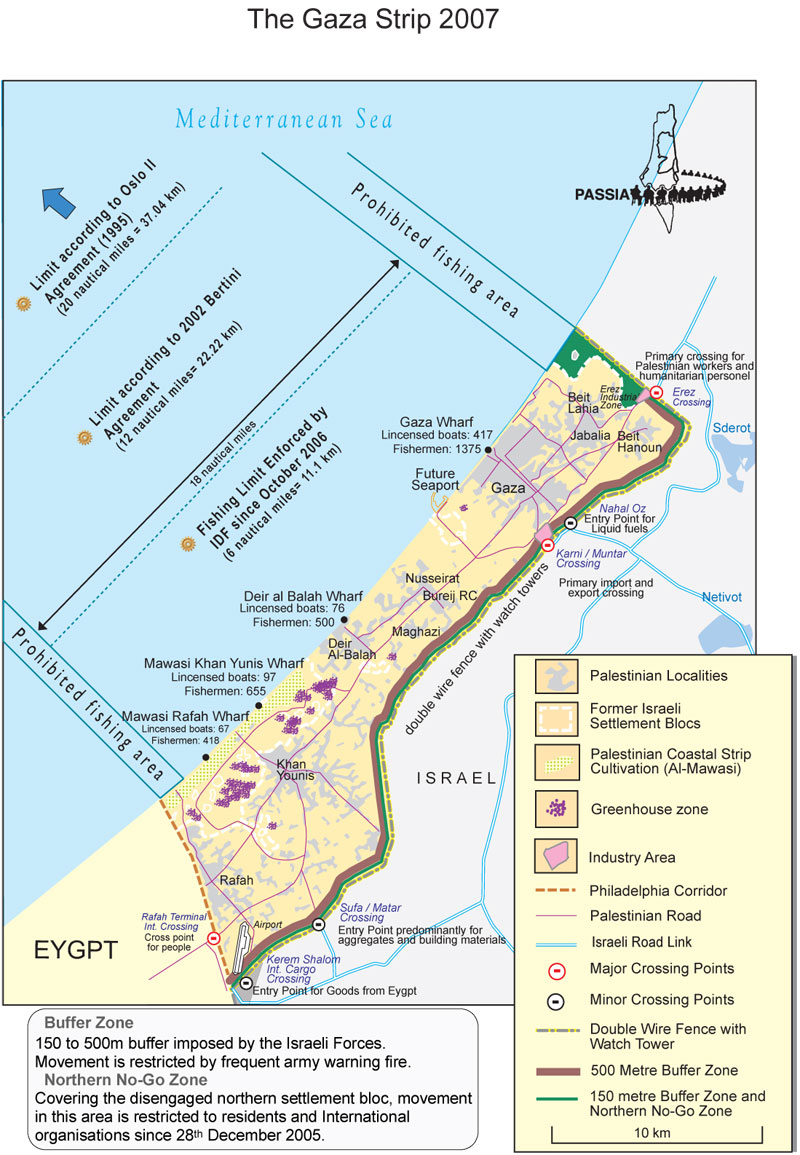
Two peoples Israelis & Palestinians Jews & Arabs Oppressor & Oppressed Trapped in an unending cycle of armed struggle Seventy-five years of violent co-existence over a piece of Earth they both call Home.
An eye for an eye The violence of men unleashed on the largest open-air prison in the world Thousands of women and children slaughtered Entire generations of families buried beneath the rubble No peace for either side until the other is exterminated.
“Ceasefire Now!” “Not in Our Name!” demand members of the Jewish Voice for Peace during sit-in protest at New York City’s Grand Central Station “Never again for anyone!” one sign read.
“No genocide in our name!” “Ceasefire Now!” demand members of the IfNotNow Movement American Jews for equality & justice A thriving future for all Palestinians & Israelis.
In Gaza, buried deep beneath the rubble, a baby cries.
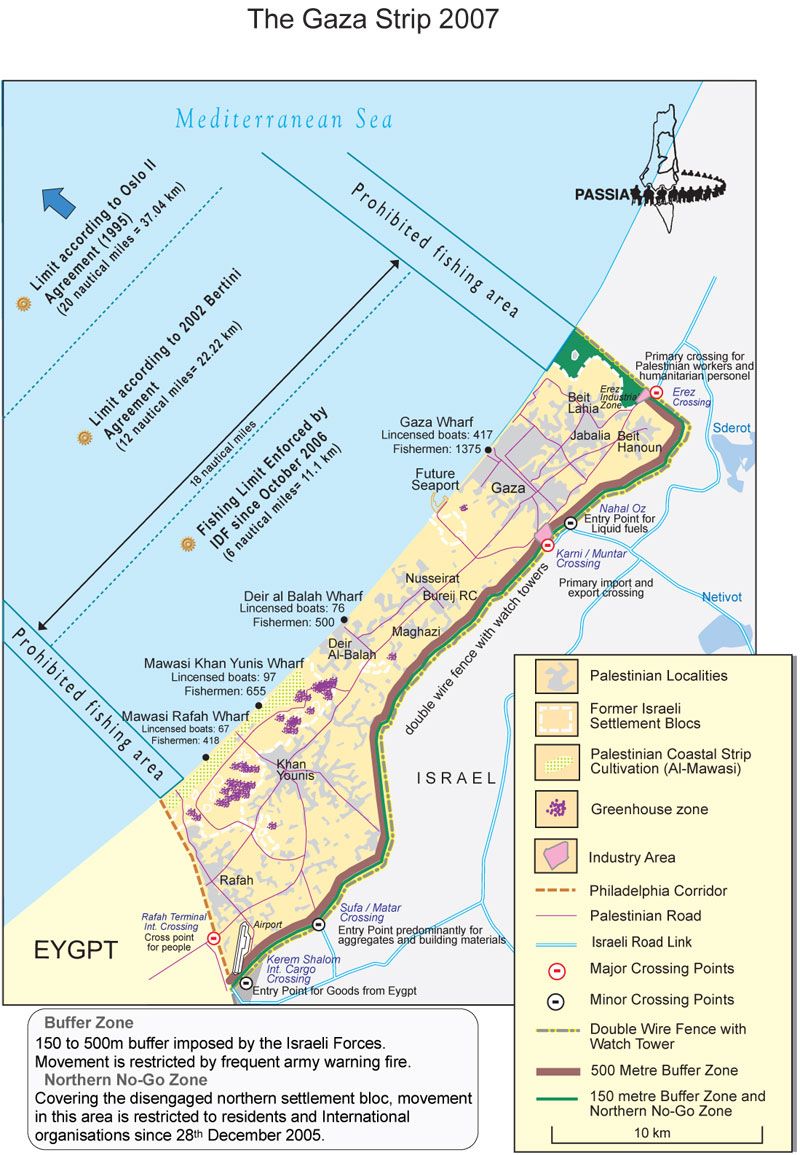
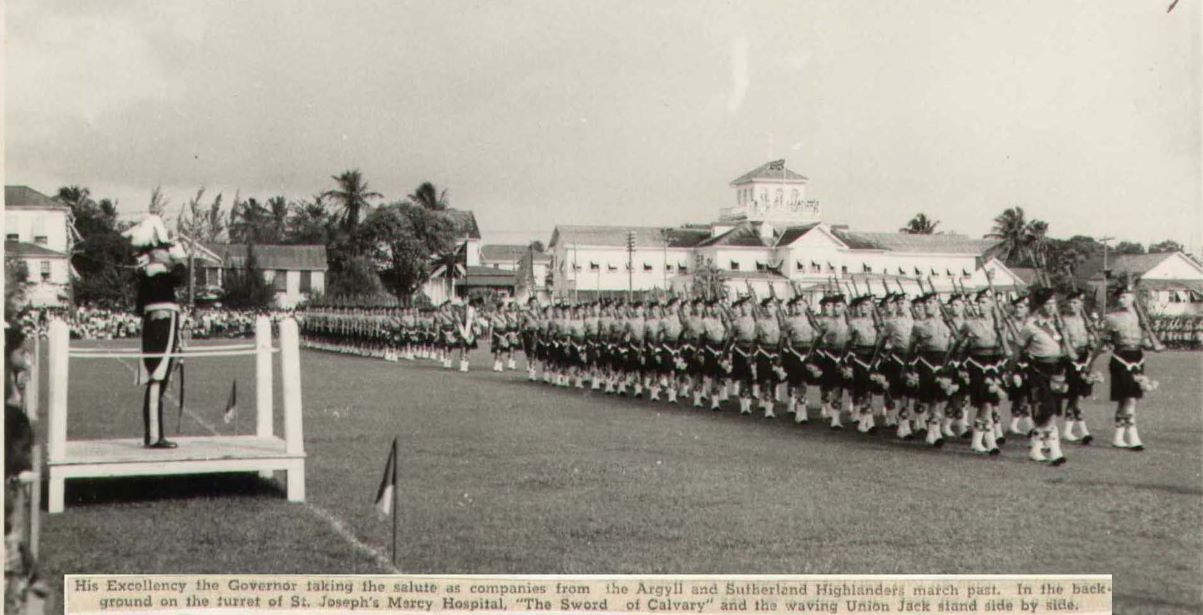
The Argyll and Sutherland Highlanders March Past at Parade Ground in Georgetown – British Guiana – 1954
Chapter Five of my work in progress presents the third portrait of a woman in my life. Auntie Baby, Mother’s baby sister, played an important role during my formative years. Nine years younger than Mother, she was just four years old when her parents and nine older siblings left British Guiana in 1946 for the United States. With the end of World War II in September 1945, my maternal grandparents must’ve seen better prospects for their future under America’s President Harry Truman. For reasons unknown to me, they failed to fulfill their promise to return for the three girls left behind.
Auntie Baby lived with us on and off from the late-1950s to mid-1960s. She brought lots of fun into our lives as kids. I must’ve been around eight to nine years old when I became aware of her dream to marry a white man and move to the Mother Country. Perhaps, the arrival of British soldiers in the colony incited her imagination.
On October 8, 1953, the Royal Welsh Fusiliers were the first battalion to arrive in the colony to suppress an alleged communist takeover. Two weeks later, they handed over to the Argyll and Sutherland Highlanders. Auntie Baby was twelve-going-on-thirteen years old when they left in October 1954, taking twenty-five Guianese-born wives with them back home to Scotland. When she began dating at eighteen years old, the Worcestershire Regiment was on their one-year tour of duty. Her time had finally come to catch her dream husband. She soon learned how elusive dreams can be. Yet, she persisted.
Auntie Baby was the inspiration for the minor character, Joanna de Freitas, niece of protagonist Richard Cheong’s mother-in-law, in my debut novel Under the Tamarind Tree. Joanna first appears in Chapter Seven (p. 32) when she arrives with her Scottish soldier boyfriend at a family Christmas party (December 1953).
My Poetry Corner October 2023 features the poem “Treasure” from the poetry collection Even When We Sleep (USA, 2022) by Marilyn Kallet, a poet, writer, and educator. She served two terms as Knoxville Poet Laureate from June 2018 to July 2020. The following excerpts of poems are all sourced from this collection.
Born in Montgomery, Alabama, Marilyn grew up in New York as a child. She attended Tufts University in Boston, Massachusetts, where she earned a B.A. in English and French in 1968. She also attended Sorbonne Université in Paris, France, where she received a degree in Cours de Civilisation (1967). Later, she received her M.A. (1976) and her Ph.D. (1978) in Comparative Literature from Rutgers University in New Jersey.
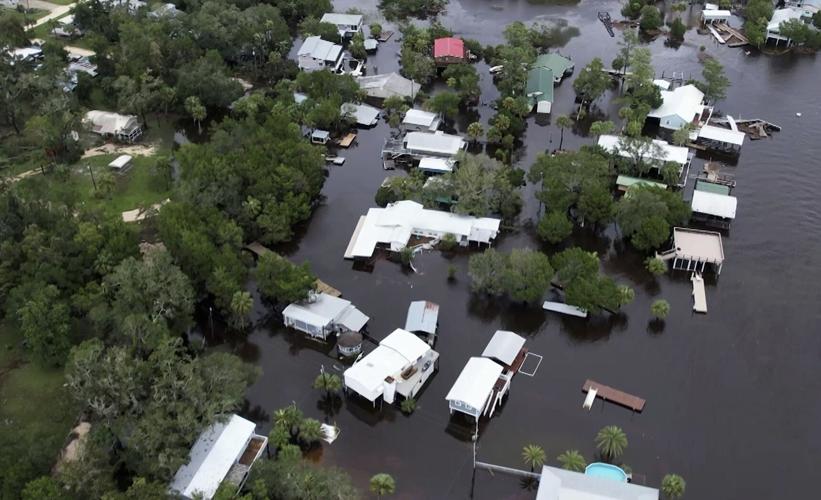
Hurricane Idalia hits Florida with 125 mph winds – USA – August 30, 2023 Photo Credit: AP News (Photo/Daniel Kozin)
This is the sixth and final part of my series of reflections on the “c-o-s-m-o-s remedy” proposed in opposition to the “ideology of e-s-c-a-p-e” by Jem Bendell in Deep Adaptation: Navigating the Realities of Climate Chaos (UK/USA 2021).
In contrast to the habit of Exceptionalism in e-s-c-a-p-e ideology, which means assuming ‘I am annoyed in this world because much about it upsets me and so I believe I’m better and/or needed…,’ Bendell proposes that Solidarity involves acting from the part of you that knows ‘our common sadness and frustration arise from our mutual love for all life and motivate us towards fairness, justice and healing’ (p. 147).
Solidarity is defined as unity (as a group or class) that produces or is based on community of interests, objectives, and standards (Merriam-Webster Dictionary). As he so often does, Bendell calls us to look at the essence of what drives our shared sense of solidarity as a group or class.
For some unknown reason, I do not use the word ‘solidarity.’ Yet, I’m very familiar with the word since my childhood growing up in then British Guiana during the 1950s and 1960s. Whenever I hear the word, I immediately recall the song “Solidarity Forever” that played every day on our local radio stations. Though I don’t remember the verses, I can still sing the chorus:
Solidarity forever! Solidarity forever! Solidarity forever! For the Union makes us strong!
I later learned that it was the anthem of the workers’ unions, mainly the agricultural workers, who were fighting for better wages, workplace safety, and living conditions. Could it be that I associate the word with its negative images of danger to one’s safety?
In those early days of my youth, the managers and owners of the sugar plantations and factories across the colony were hostile towards striking workers. They were known to hire thugs to terrorize the workers on the picket line. To join picket lines in a show of solidarity came with the risk of losing one’s job, being beaten, teargassed, or even killed. Such risks did not change when we became an independent nation in May 1966.
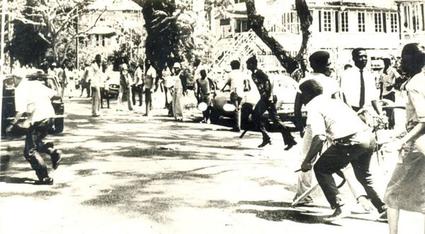
Father Bernard Darke SJ (left) flees from armed thug (bottom right) – Guyana – July 14, 1979 Photo Credit: Wikipedia from Jesuits.org.uk
On Saturday morning, July 14, 1979, after celebrating Mass and having his breakfast, Father Bernard Darke SJ spent the morning marking examination papers at the Catholic high school where he taught the Scriptures and Mathematics. As Scouts Master, the British Jesuit priest also made plans with some of the scouts for their annual camp. At the request of the Editor of the Catholic Standard newspapers, he had his cameras with him to take photos of a political demonstration to be held outside the Magistrates’ Court.
During a period of civil rebellion against the dictatorship government, leading members of the opposition party Working People’s Alliance (WPA) had been arrested and charged with burning down the building housing the Ministry of National Development. As peaceful demonstrators marched along the street heading towards the court, Father Darke stood on the sidelines, in front of the school building, taking photographs.
The demonstrators were about 65 feet (20 meters) away from him when thugs, armed with wooden staves, cutlasses, and knives, charged into the picket line. The crowd scattered in all directions. Father Darke captured the confusion with his camera. Across the two-lane roadway, three men attacked the Assistant Editor of the Catholic Standard newspapers, who was covering the story. After receiving a blow to the head, the Assistant Editor fell to the ground, bleeding. In taking photos of the attack, Father Darke became the next target. He tried fleeing to safety, but the two cameras slung around his neck slowed him down. After beating him to the ground with wooden staves, one of the three assailants stabbed him in the back with an old bayonet. That evening, shortly after 6:00 p.m., he died in hospital from a ruptured lung.
Serving in the Guyana Mission since 1960, Father Bernard Darke SJ (1925-1979) was a quiet man who did not seek attention. He served in the Royal Navy during World War II and joined the Jesuit Order in 1946. His killing in broad daylight shook us all in the Catholic community.
Working for change in unjust social, economic, and political systems involves taking life-changing risks. Solidarity can come with a steep price. I don’t join picket lines or take part in mass public demonstrations. I lack such courage. I prefer to contribute in quiet ways: speaking out, making posters and banners, spreading awareness, listening to and engaging with others, and changing my behavior.
Solidarity in our fight to save Earth’s pollinators and other endangered species! Solidarity in our fight for clean air and clean water! Solidarity in our fight to end humanity’s dependence on fossil fuels! Solidarity makes us strong!
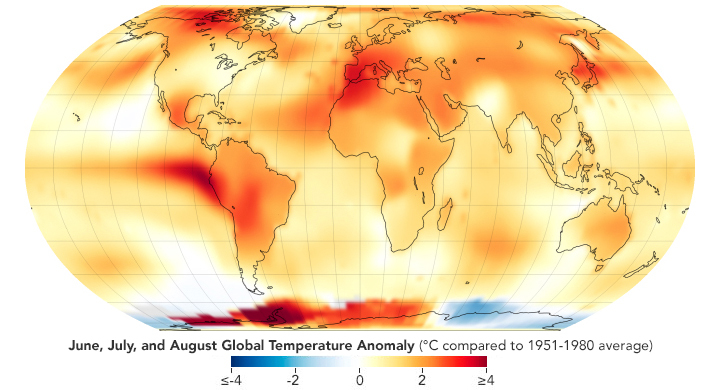
NASA Earth Observatory image by Lauren Dauphin, based on data from NASA’s Goddard Institute for Space Studies.
Summer of 2023 was Earth’s hottest since global records began in 1880, according to scientists at NASA’s Goddard Institute of Space Studies (GISS) in New York.
The months of June, July, and August combined were 0.41 degrees Fahrenheit (0.23 degrees Celsius) warmer than any other summer in NASA’s record, and 2.1 degrees F (1.2 C) warmer than the average summer between 1951 and 1980. August alone was 2.2 F (1.2 C) warmer than the average. June through August is considered meteorological summer in the Northern Hemisphere.
This new record comes as exceptional heat swept across much of the world, exacerbating deadly wildfires in Canada and Hawaii, and searing heat waves in South America, Japan, Europe, and the U.S., while likely contributing to severe rainfall in Italy, Greece, and Central Europe.
Neighbor’s Garden – Summer 2023 – Los Angeles – Southern California
Gone are the days when I could spend hours soaking up the summer heat at the beach. Nowadays, I risk suffering from heat stress, as occurred on two occasions during a heatwave in July. To get out for my weekly chores meant leaving home after 4 p.m. when temperatures became bearable. Mind you, even then, I couldn’t forget my hat and a bottle of lifesaving ice-cold water. Worse still, I had to reduce my weekend gardening hours to just two hours from 5 to 7 p.m.
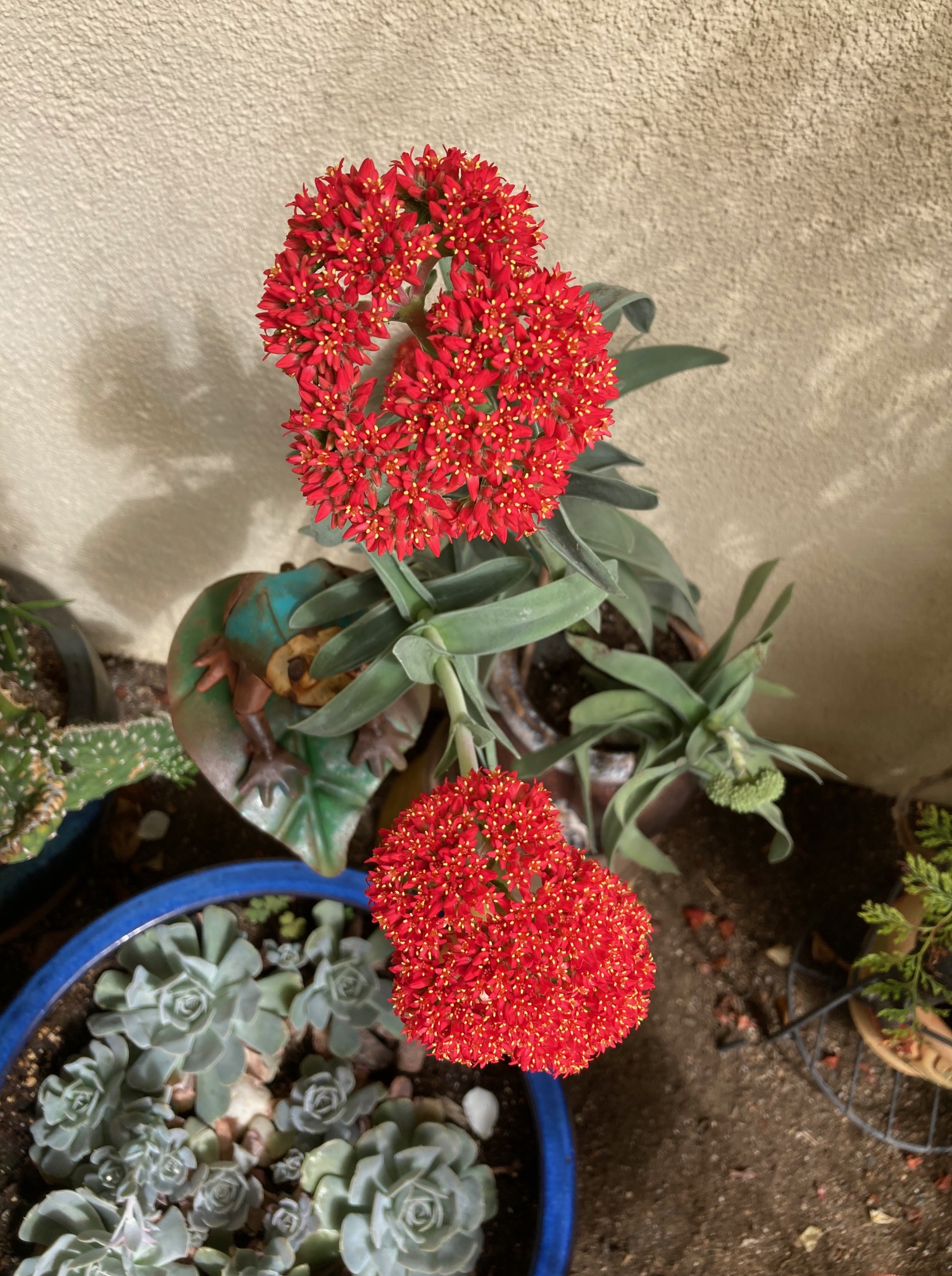
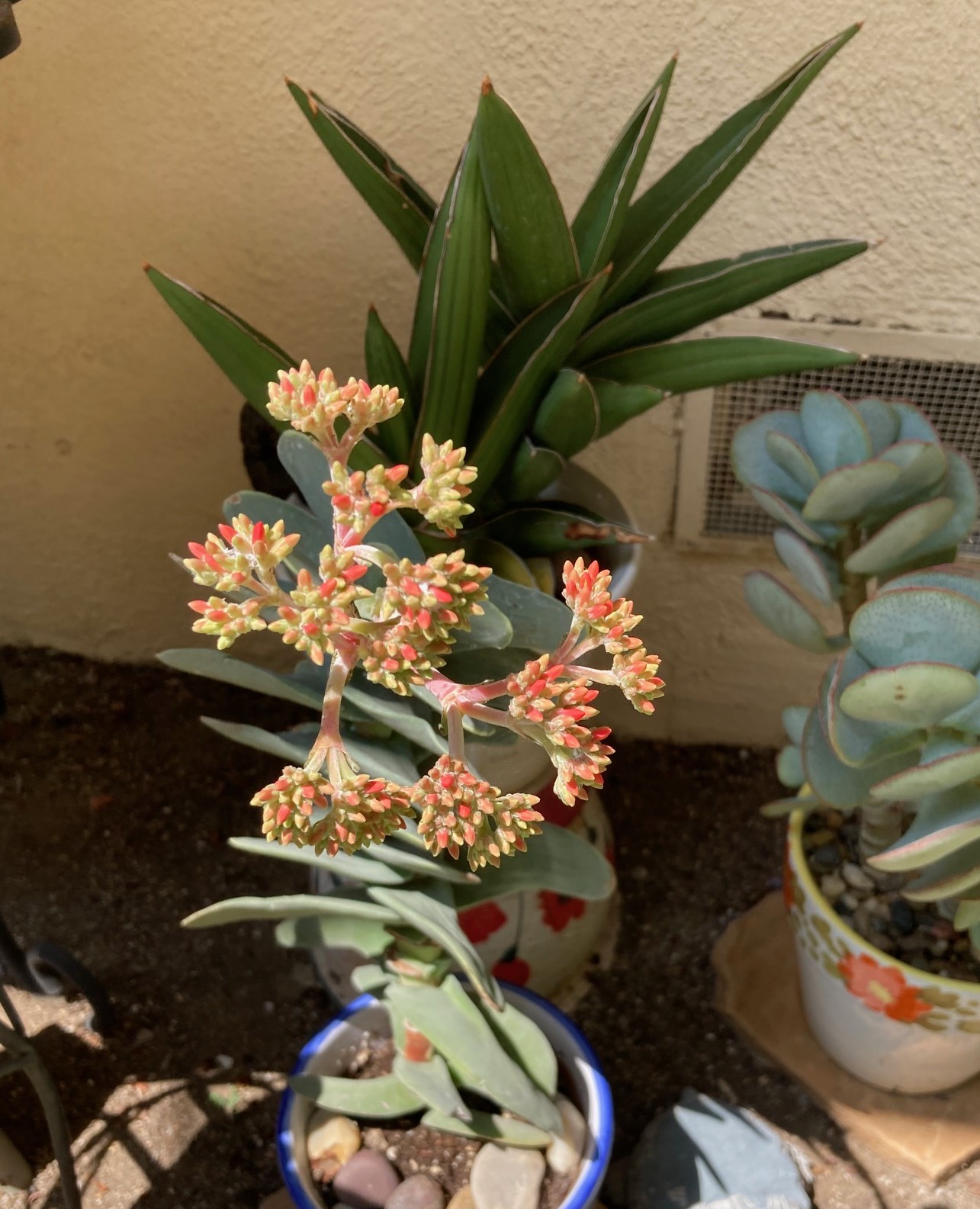
Thanks to an unusually wet winter, after several years of drought, our plants responded well to the excessive heat. In August, Tropical Storm Hilary also drenched us with two days of steady rainfall and cooled us down, if just for a while. The Propeller or Crassula Falcata succulent plant stole the show with its spectacular red blooms. A gift from a former neighbor who moved out last year, the plant (shown on the left) produced five blooms this year, compared to two last year. The Propeller plant, shown on the right in its early stage, is a young plant I bought last year that has flowered for the first time.
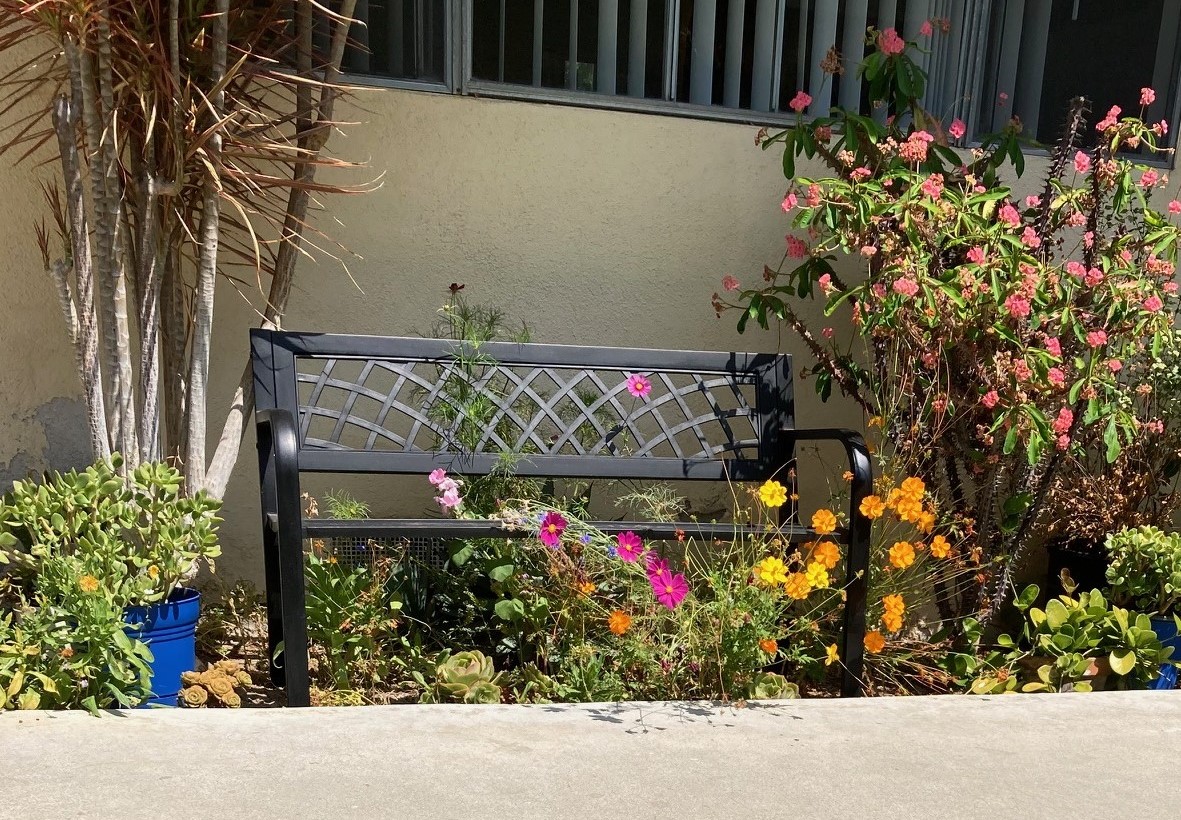
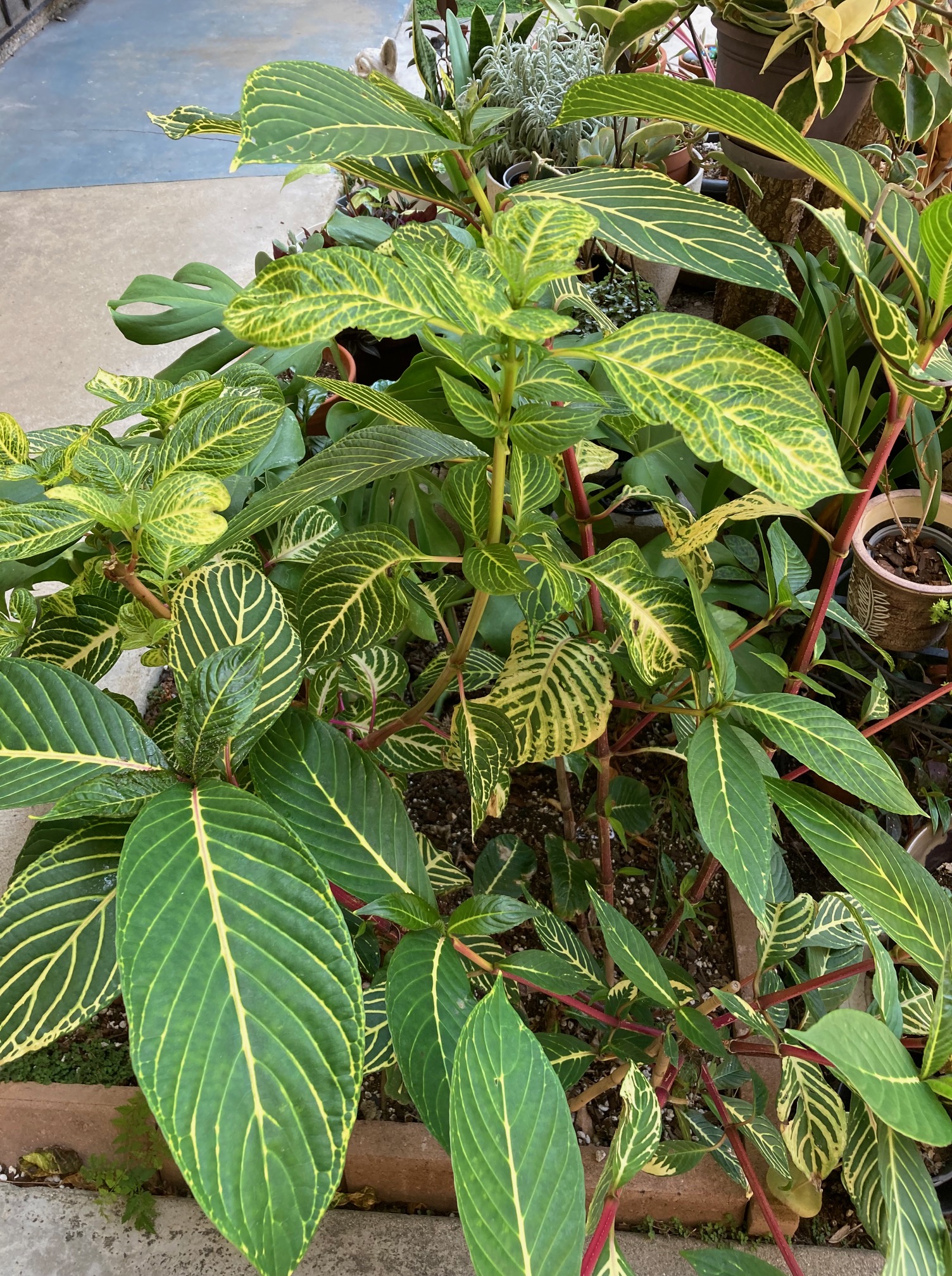
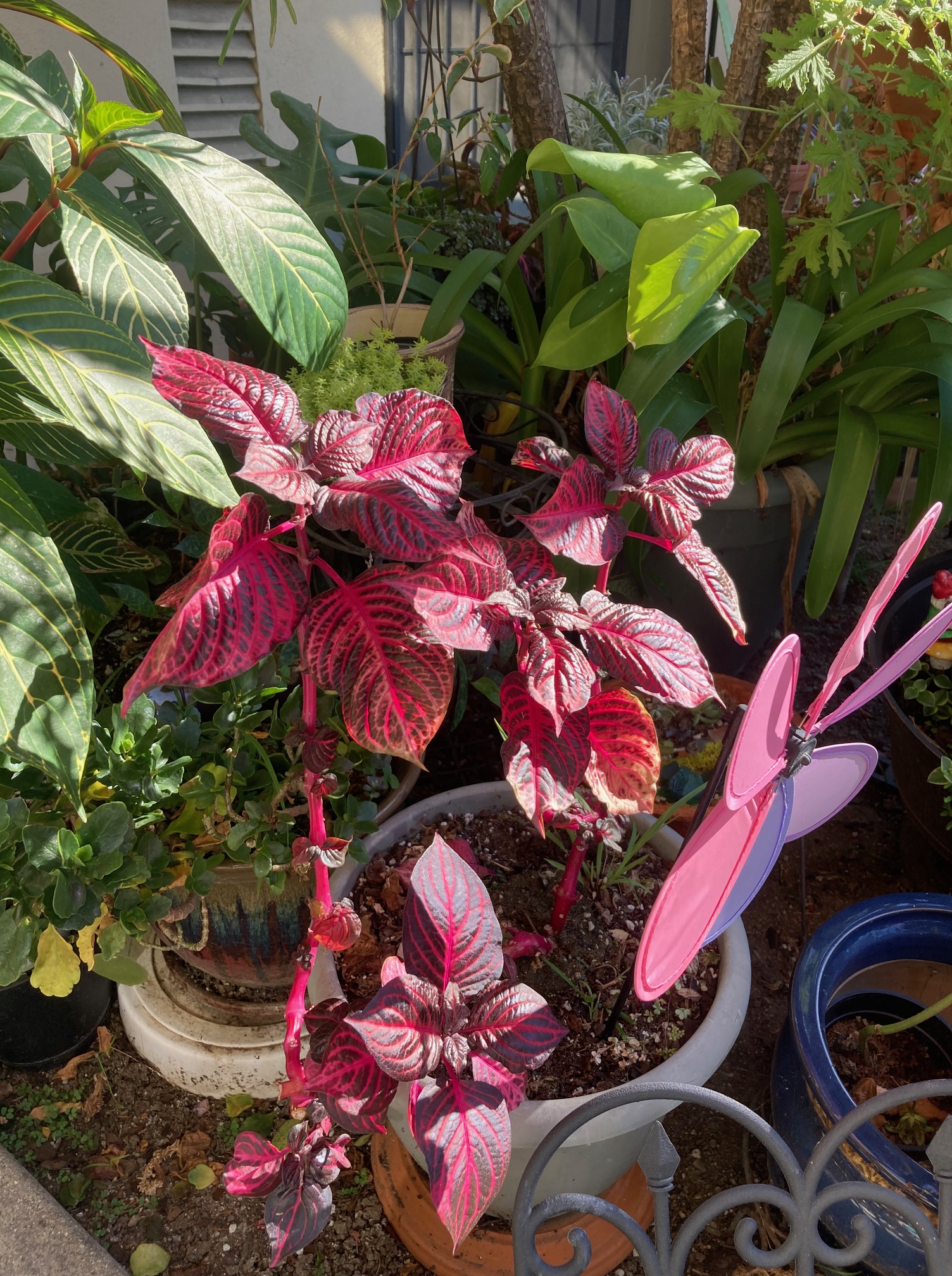
A new neighbor, who moved in last year, transformed his plot with a metal bench and added several potted plants. The flowers he planted for summer added joyful color to our garden. (See captioned photo.) How wonderful to have another garden enthusiast among us!
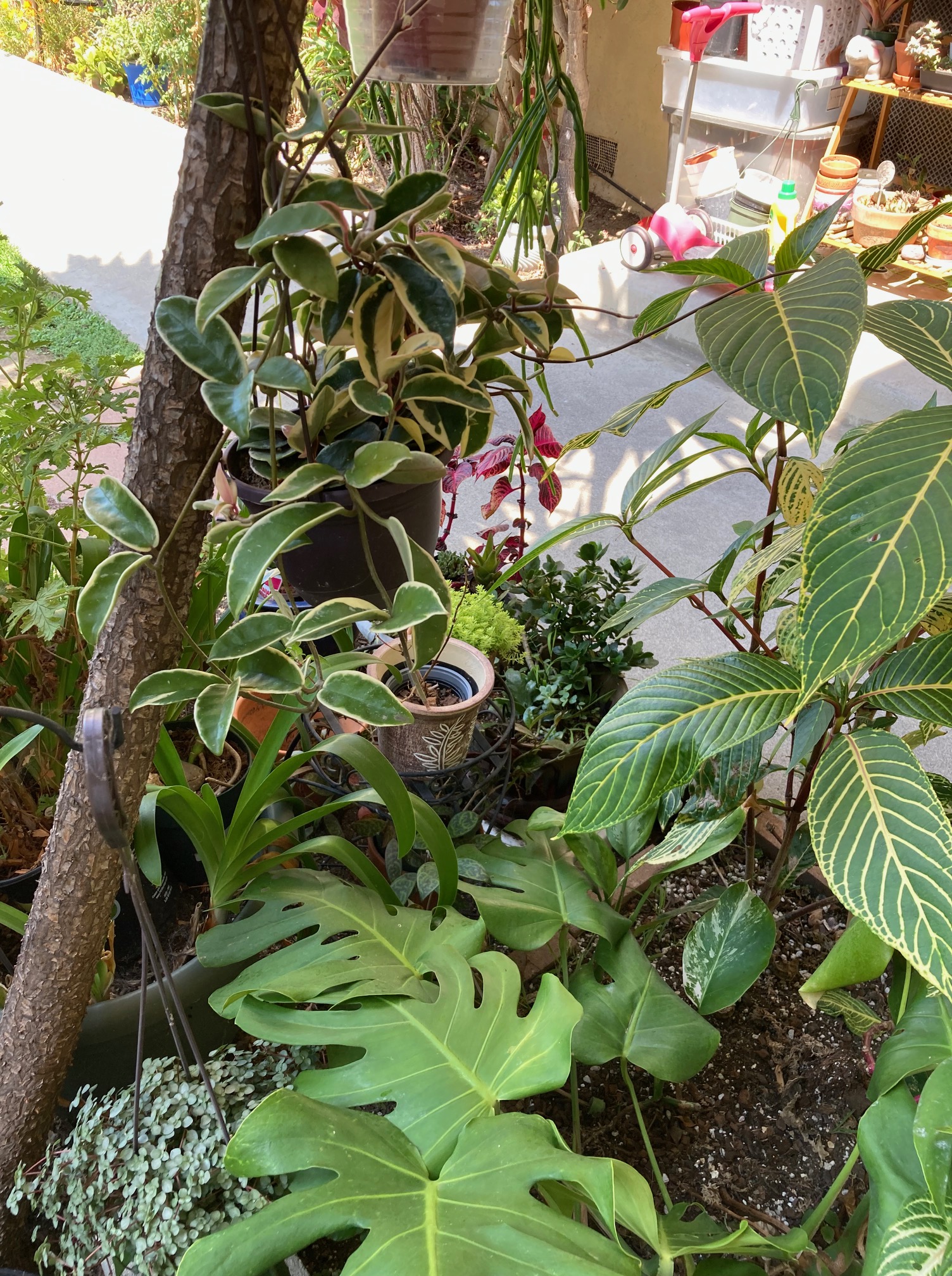
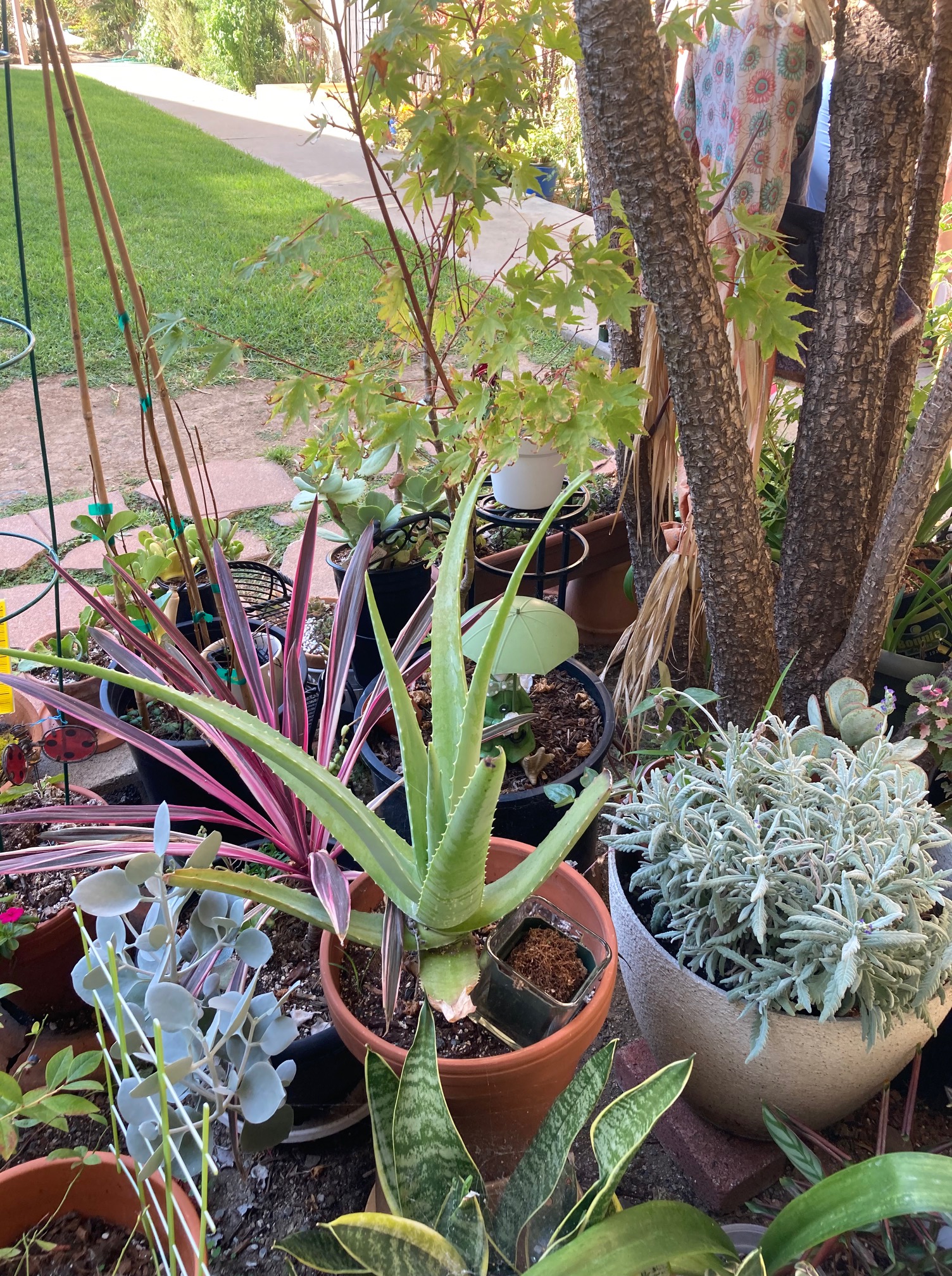
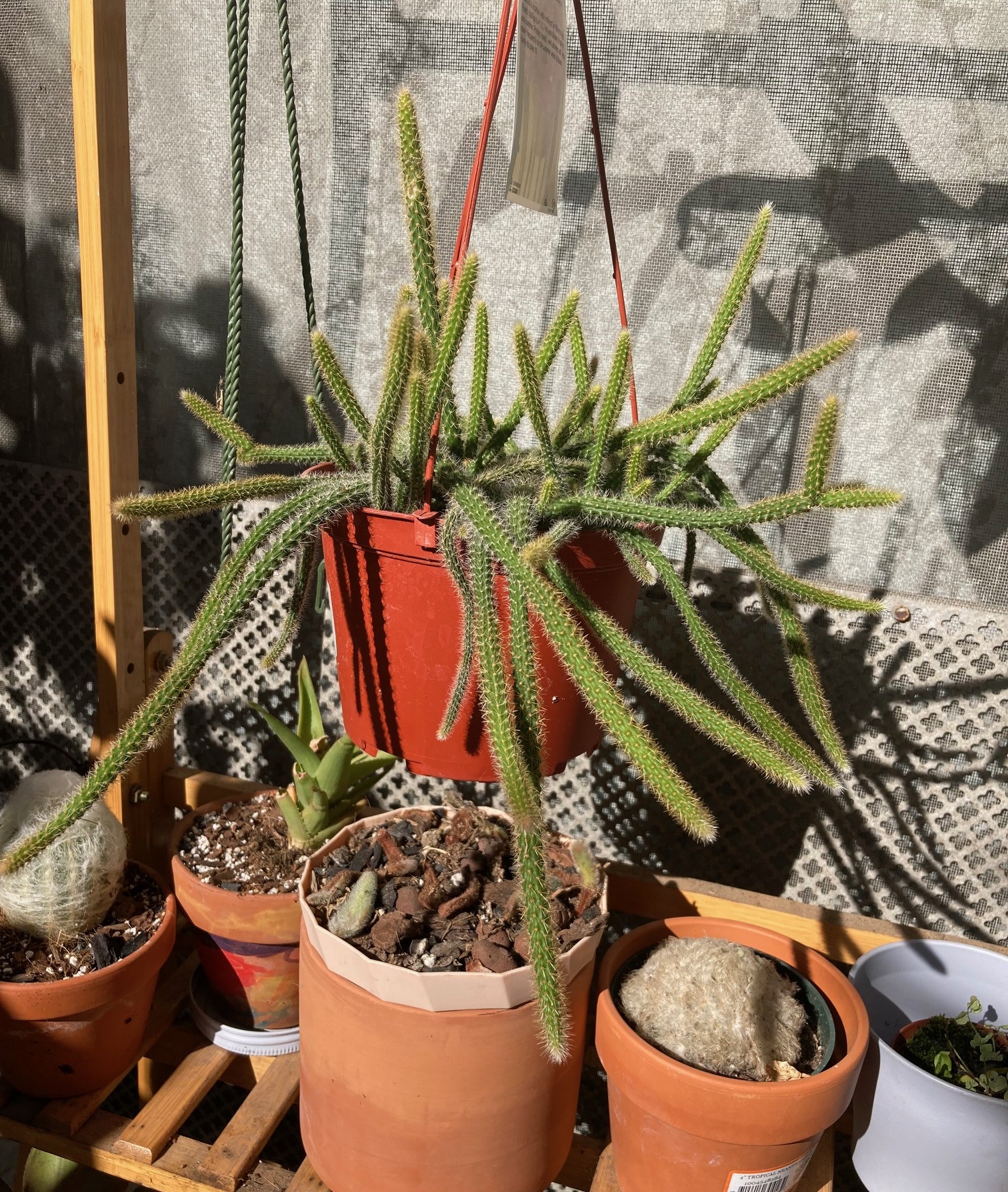
The garden featured below belongs to another neighbor and friend, a working mother of a seven-year-old daughter, who caught the gardening bug some years ago. In a once-neglected area of our courtyard, she has created a garden that changes colors with the seasons.
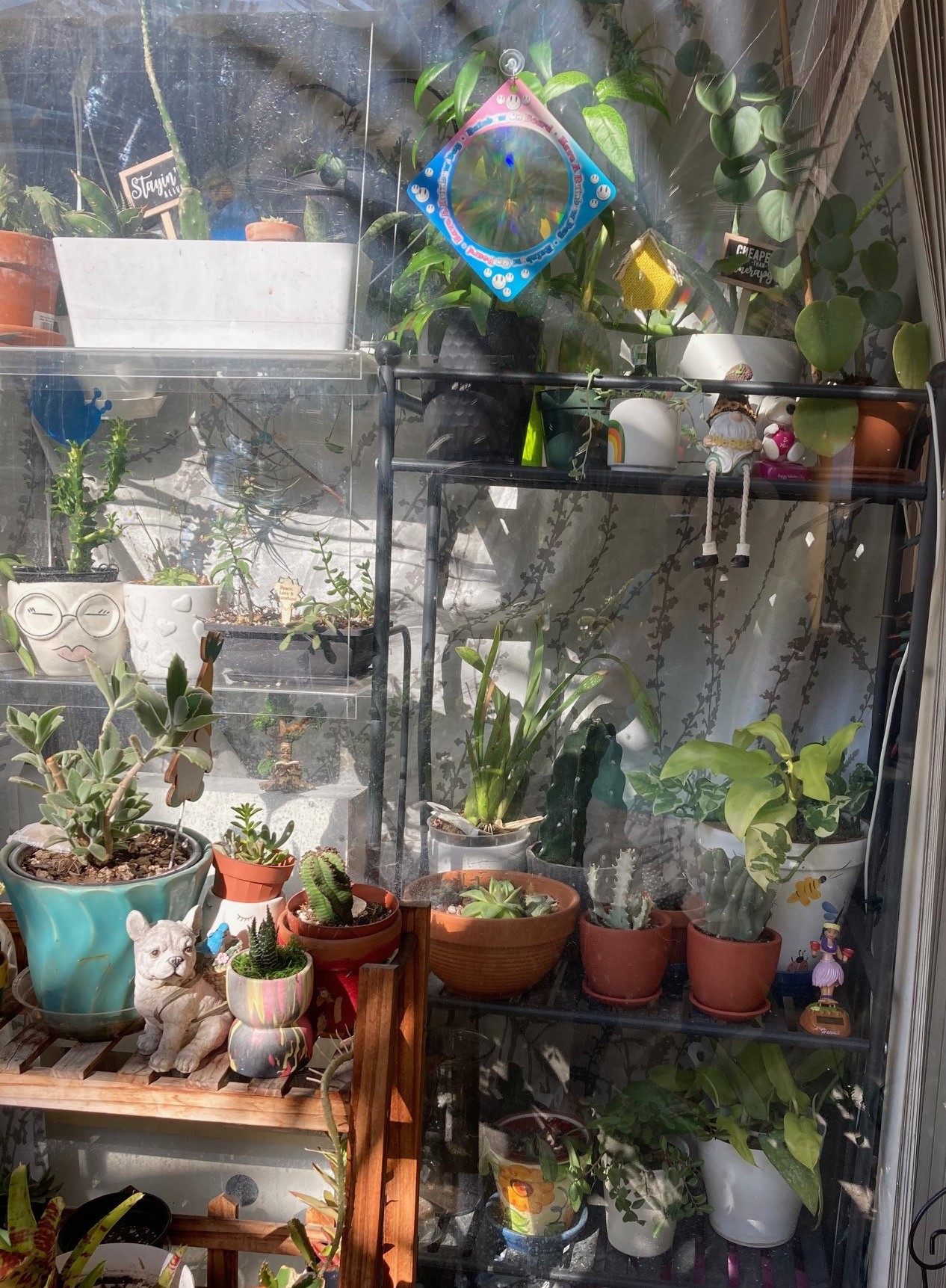
Located near the rear entrance/exit, her apartment is unique in having a two-panel glass wall, instead of a window, in her dining room area. As shown in the photo on the right below, she has taken advantage of the afternoon sunlight to set up an indoor garden. With its wide variety of plants, her garden is a delight to explore.
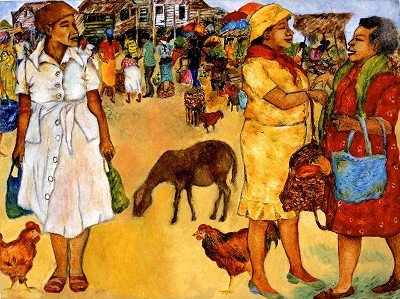
Market Greetings – Painting Oil on Canvas by Guyana-born Artist Joy Richardson Photo Credit: Joy Richardson (Market Series)
Chapter Four of my work in progress presents the second portrait of a woman in my life. Auntie Katie was an inextricable part of my childhood. She lived in the adjacent flat in the tenement yard, where we shared the same toilet and bathroom. Unlike other neighbors in the yard, she did not complain if we were too noisy. Perhaps, she considered that we already had our fair share of corporal punishment.
For some reason, she tolerated my curiosity and treated me with kindness. I liked and respected her. In her simple and quiet manner, she taught me that the color of our skin did not matter. What was in our heart mattered. How we treated others, even the little ones, mattered. Though she has been long gone from the world of the living, she remains close to my heart.
In Chapter One of my debut novel, Under the Tamarind Tree, she makes a small appearance as herself. More importantly, she became the inspiration for my most beloved character, Mama Chips, the protagonist’s surrogate mother following his mother’s death when he was thirteen years old.
The period described in Chapter Four is the 1950s and 1960s in then British Guiana.
My Poetry Corner September 2023 features the poem “Ears of Dew” (Ouvidos de Orvalho) by Brazilian poet, writer, journalist, and columnist Fabrício Carpinejar from his award-winning 2002 poetry collection Biography of A Tree (Biografia de Uma Árvore).Born in 1972 in Caixas do Sul in Rio Grande do Sul, Brazil’s southernmost state, he is the third of four children of the poets Maria Carpi and Carlos Nejar. At nine years old, after his parents separated, he was raised by his mother.
Growing up in a home with a large library, the young Fabrício was free to explore any book that aroused his interest. “At 7 years old I was already a poet. I have always been excessively distracted,” Carpinejar told journalist Marcio Renato dos Santos during an interview for the Public Library of Paraná in August 2017. “Imagine, I am the son of two poets, so at home the language was metaphor. We spoke in metaphors, in figures of speech. I see people speaking objectively, but that’s not my idiom. I was raised in another environment. And I’ve always been a basement child, a tree child. There are children who have pets, I had a tree. A plum tree, lived in it, it was mine and no other brother could climb it. It was where I hid to cry, when I was angry, etc. This is a poetic distraction. So I’ve always been weird. And weirdness is a poetic gift.”
The blossoming poet moved to Porto Alegre, the state capital, where he studied journalism at the Federal University of Rio Grande do Sul, graduating in 1995. Upon launching his first book of poetry in 1998, he began signing his name as Carpinejar, the combination of his parents’ surnames. In 2002, following the success of his first four poetry collections, he became a master in Brazilian Literature at his alma mater.
Set in the year 2045, Carpinejar’s fourth poetry collection Biography of A Tree begins on his 73rd birthday when he settles his accounts with God. “It’s an intimate apocalypse,” he told Rogério Eduardo Alves during an interview for the Folha de S. Paulo in September 2002. “The poetry [in the collection] is the ear of the tree, the ear of the dew, the hearing of hesitations and small defeats. God does not speak; man fills his silence and squanders his name to relieve himself of his own judgment. I combat the easy idea of transcendence in Brazilian poetry. God appears in the book in the second person and always in lower case, in direct treatment, shoulder to shoulder. In the end, God is fired for just cause. To be fired is the contemporary and possible death of God, an evolution of death described by Nietzsche. To fire God is like taking away his market functionality, the productivity of his days, his guardianship over our destiny.”
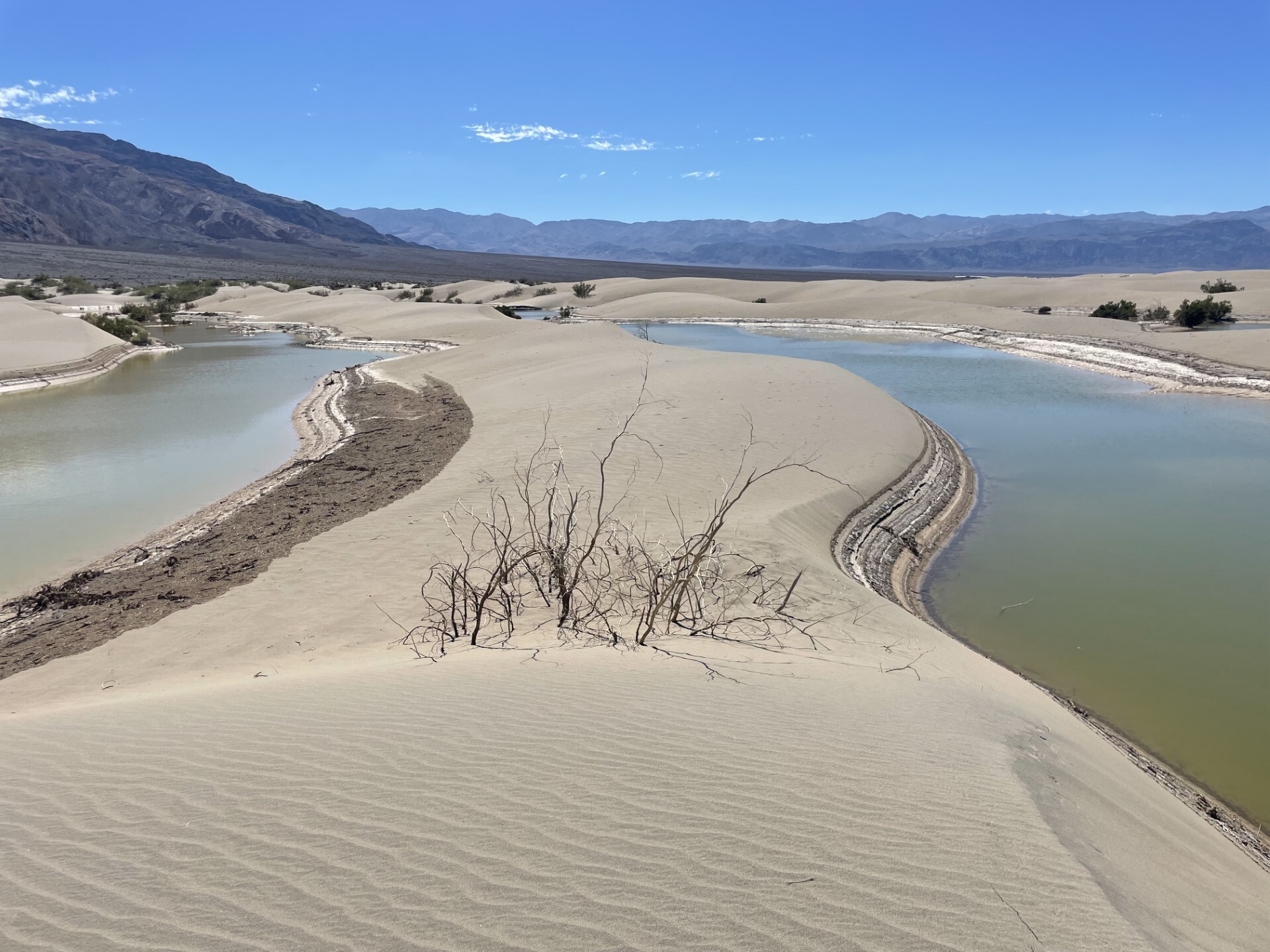
Flooding following Tropical Storm Hilary – Death Valley National Park – California/USA – August 2023 Photo Credit: USA National Park Service (NPS/ N. Bernard)
This is the fifth in my six-part series of reflections on the “c-o-s-m-o-s remedy” proposed in opposition to the “ideology of e-s-c-a-p-e” by Jem Bendell in Deep Adaptation: Navigating the Realities of Climate Chaos (UK/USA 2021).
In contrast to the habit of Progress in e-s-c-a-p-e ideology, which involves thinking and feeling that ‘the future must contain a legacy from me, or make sense to me now, because if not, then when I die, I would die even more…,’ Bendell proposes that Oneness awareness involves sensing ‘what is important is how I live more lovingly right here and now, without needing to believe that I matter or am improving’ (pp.146-147).
Oneness is defined as the quality or state or fact of being one: such as singleness, integrity/wholeness, harmony, identity, and unity/union (Merriam-Webster Dictionary). The oneness that Bendell refers to is much deeper in meaning: that feeling of interconnectedness that expands our awareness of the inherent goodness of all beings. We feel part of something greater. We see beauty everywhere, in everyone, and everything.
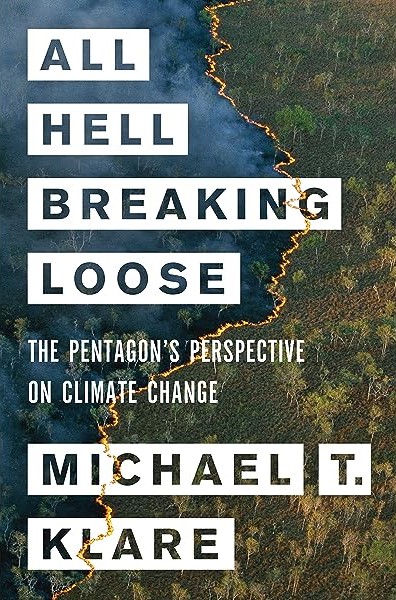
Front Cover: All Hell Breaking Loose: The Pentagon’s Perspective on Climate Change by Michael T Klare Photo Credit: Macmillan Publishing Group (2019)
[T]he American military leadership has devised its own distinctive analysis of the climate change threat to U.S. and world security. In contrast to scientific and environment assessments, which tend to begin with warming’s threat to vulnerable wildlife and natural habitats, the military’s analysis begins with the threat to human systems—both physical (energy infrastructure, medical facilities, communication and transportation networks) and organizational (governments, public services, community organizations). From this perspective, climate change presents its greatest harm not by hastening the extinction of endangered species but by decimating the vital systems upon which our communal life depends. When those systems fail, chaos and conflict ensue, triggering waves of human migrations and the violent resistance they often provoke. “Destruction and devastation from hurricanes can sow the seeds for instability,” former secretary of defense Chuck Hagel once explained. “Droughts and crop failures can leave millions of people without any lifeline, and trigger waves of mass migrations.”
Excerpt from All Hell Breaking Loose: The Pentagon’s Perspective on Climate Change by Michael T. Klare, Henry Holt and Company, New York, USA, 2019 (pp. 234-235).
Michael T Klare, the author of fifteen books, is the Five College Professor Emeritus of Peace and World Security Studies at Hampshire College and a senior visiting fellow at the Arms Control Association. He holds a B.A. and M.A. from Columbia University and a PhD from the Graduate School of the Union Institute. He has written widely on U.S. military policy, international peace and security affairs, the global arms trade, and global resource politics. He lives in Northampton, Massachusetts.
Department of Defense, Office of the Undersecretary for Policy (Strategy, Plans, and Capabilities). Department of Defense Climate Risk Analysis. Report Submitted to National Security Council. 2021.

 Three Worlds One Vision