
Tags
American Poet, Poem “The Benefit of the Doubt” by Cheryl Batavia, Life on the Blue Planet by Cheryl Batavia, Different Perspectives, One Earth
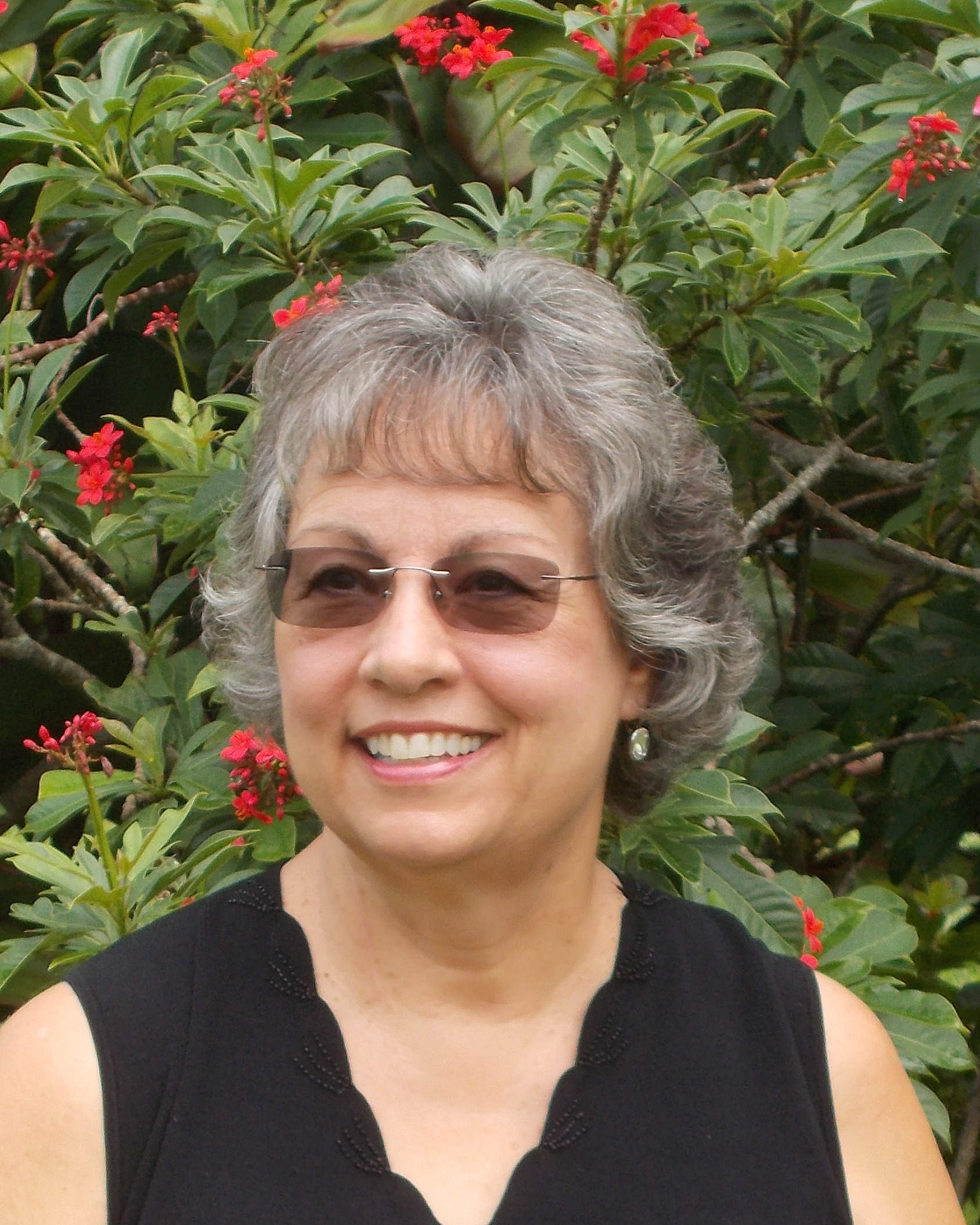
Photo by Joe Batavia, Poet’s Official Website
My Poetry Corner October 2026 features the poem “The Benefit of the Doubt” from the poetry collection Life on the Blue Planet (USA, 2025) by Cheryl Batavia, an American poet and retired schoolteacher. All excerpts of poems cited in this article are from this collection.
Born in Quincy, Massachusetts, Batavia is the daughter of a United Methodist minister. During the 1950s and 1960s, together with her younger brother and sister, she spent her childhood in several small towns in Pennsylvania and Virginia where their father served as pastor to the local community. Her love of nature bloomed as they explored the Pennsylvania farm country, the Blue Ridge Mountains, and the Shenandoah Valley of Virginia.
In the poem “My Father” (p. 26), she describes him as a great speaker and storyteller, / gardener, fisherman, / hunter, builder, / athlete! Though she could never live up to his high expectations, she knew that he loved her…as she loved him.
She speaks of her mother’s treasure trove / of wisdom she shared with them in the poem “Quoting Mom” (p. 28). With unfailing care and concern for her children, their mother taught them the golden rule: “Treat other people / as you wish to be treated.” This became a reliable guide to life for the poet. Her favorite quote from her mom is “You might as well laugh as cry!”
Batavia worked at many jobs before completing a teaching degree at forty years old. For twenty years, she taught social studies in inner city public schools in Washington DC and Florida. In 2011, she retired early due to health issues. Mother of three grown-up children, two of them adopted from Russia, Batavia and her husband live on the Gulf Coast of Florida where they enjoy going to the beach and observing the beautiful wildlife of Southwest Florida.
The self-described Gulf Coast poet dedicates Life on the Blue Planet—her third book of a trilogy about life on Earth—to all Blue Planet heroes working to preserve wildlife habitats, / produce healthy organic foods, / and recycle waste into something useful (p. v). Illustrated with beautiful, color photos, this collection is divided into five sections: Perspectives, Love, Family, Nostalgia, and Mother Nature.
In the penultimate four-stanza poem “One Earth,” we are reminded (stanzas 2 & 4, p. 55):
One fragile atmosphere envelopes Earth.
One rocky mantle guards its molten core.
One water fills the deep and gives clouds birth.
One land, six continents defined by shores.
[…]
All living things are one, fates intertwine;
Earth’s fortunes shape your destiny and mine.
Though we all live on the same planet, we don’t all live in spaces that value our worth and foster our well-being. The three-stanza poem “Nobody Cares” (p. 12) calls attention to the growing isolation of our youth (judging from the photo of an adolescent male heading the poem). Our young people today, with unlimited connection through their smartphones and social media platforms, are more disconnected from emotional support than my generation ever was during our youth.
Stanzas 1 & 2 speak of the young person’s sorrows, pain, broken body and heart, and lonely nights. With nobody to comfort them. With nobody to dry their tears. The final stanza sums up their sense of hopelessness:
No one cares about my good intentions,
no one shares my Utopian dreams.
No one dares to champion my cause.
All my prayers go unanswered…
Nobody cares!
Meanwhile, we all live in a post-truth society, described in the four-stanza poem “Veracity” (stanzas 1 & 4, p. 9), that makes connections with others even more complicated.
Sometimes
it is difficult
to determine what is true…
even more difficult
to admit
when we have been misled.
It’s not just deceptive advertising and political spin. We’re all involved with our insincerity, insinuation, little white lies, half-truths, and exaggeration. This everyday dishonesty not only erodes trust, but also the authenticity we yearn for in our relationships.
Speaking truth,
we long to be trusted,
but we are met with skepticism.
We wonder why…
Do we suspect in others
the faults we harbor in ourselves?
Relations with others can also become contentious by our preconceptions. The featured eight-stanza poem “The Benefit of the Doubt” addresses this tendency to pass judgement on others whose appearance or behavior may be questionable, or don’t fit the acceptable norm. I cannot claim innocence in this regard. The excerpt below are stanzas 1 to 3 (pp. 4-5):
Give everyone you encounter
the benefit of the doubt.
You don’t know all their circumstances,
and maybe you’ll never find out.
That woman who wears too much makeup
may be trying to hide
bumps and bruises inflicted
by her drunken husband last night.
The student who sleeps in school
may have spent the night
listening to his mother and her boyfriend
have a knock-down, drag-out fight.
We’re also asked not to judge the girl who weighs too much; that boy who robbed the liquor store; the guy who brews your coffee; and the man who suddenly vanished. I can add a few cases of my own where I’ve misjudged another’s behavior. I’m sure you can, too.
To read the complete featured poem “The Benefit of the Doubt” and learn more about the work of American poet Cheryl Batavia, go to my Poetry Corner October 2026.


The poems by Cheryl Battavia are touching and make me think, thank you very much, Rosaliene!
“Treat other people as you like to be treated” is a sentence my mother also said to me!
LikeLike