
Tags
Asheville/North Carolina, Department of Homeland Security (DHS), DHS in Mandate/Project 2025, Disaster Recovery Reform Act of 2018, Federal Emergency Management Agency (FEMA), Hurricane Helene 2024, Hurricane Milton 2024, Ken Cuccinelli, National Flood Insurance Program (NFIP), Proposed Polluters Pay Climate Fund Act of 2024, Robert T. Stafford Disaster Relief and Emergency Assistance Act 1974
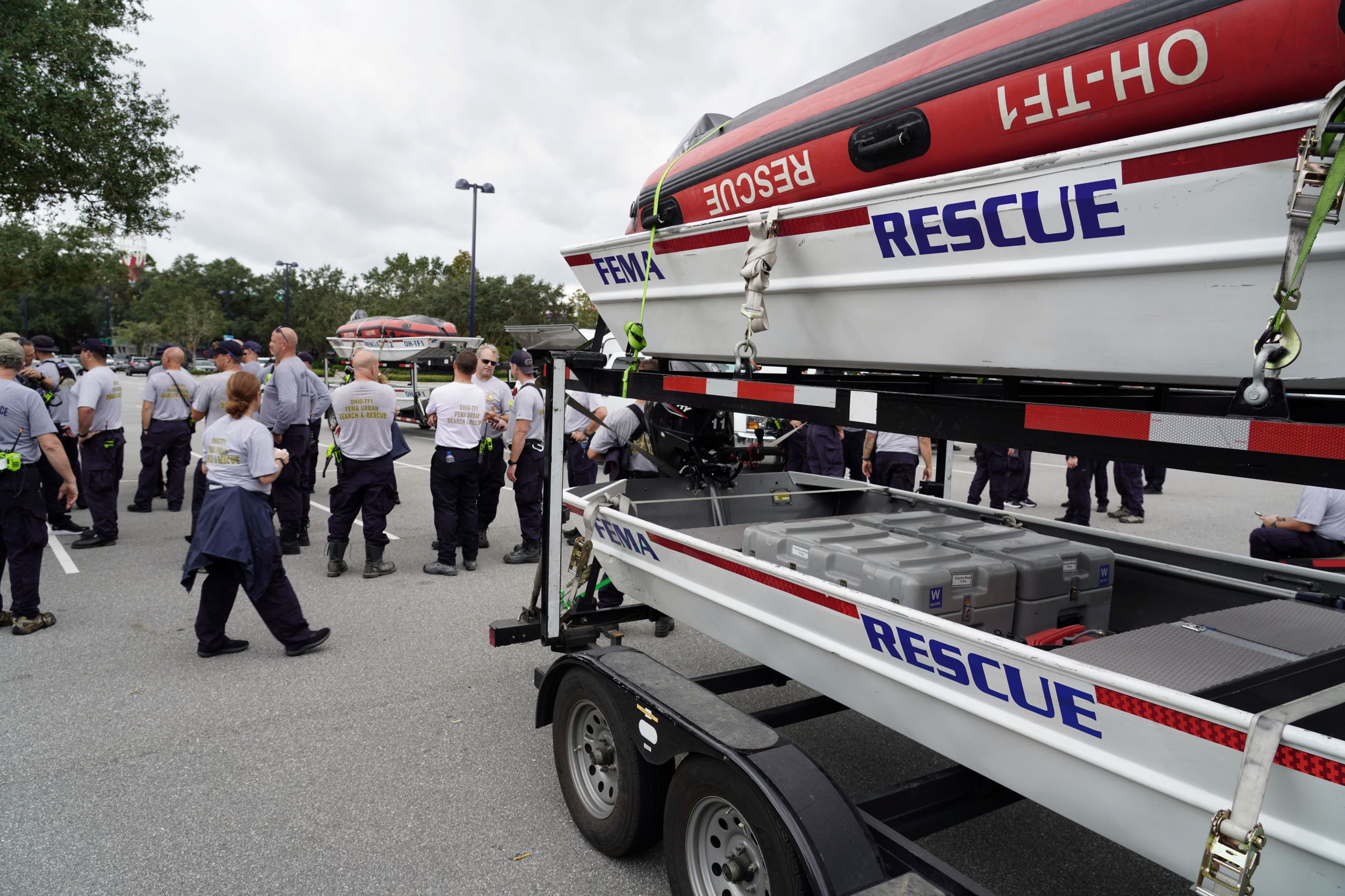
Photo by Patrick Moore / US Department of Homeland Security Media Library
My heart goes out to all the folks whose lives have been upended by Hurricanes Helene and Milton. As the warming of Earth’s oceans and atmosphere continues unabated—due to humanity’s inability to reduce our dependency on fossil fuels—tropical storms have become supercharged and more destructive over a much wider area.
Such was the case recently when America’s southeastern states were hit by Hurricanes Helene (September 26-28) and Milton (October 9-10). It’s not just their wind speeds that make these storms deadly. Their size, speed, and capacity to hold more moisture can wreak havoc over more extensive areas. What’s more, their rapid intensification has alarmed our meteorologists. Within just two days, the unusually warm water of the Gulf of Mexico transformed Hurricane Helene from a relatively weak tropical storm into a historic Category 4 hurricane for this time of the year. Not to be outdone, Hurricane Milton took just over 48 hours to intensify from a tropical depression to a Category 5 Hurricane, according to NOAA Climate.gov. This is bad news. Millions of people in their projected path may not have sufficient time in which to evacuate to safety.
Continue reading Three Worlds One Vision