
Tags
Afro-Brazilian Multimedia Poet, Belo Horizonte/Minas Gerais/Brazil, Brazilian Poet Ricardo Aleixo, For love of money, Poem “I Know You by Your Scent / Conheço Vocês pelo Cheiro” by Ricardo Aleixo, Poetry Collection Too Heavy for the Wind: Poetic Anthology / Pesada Demais para a Ventania: Antología Poética (2018) by Ricardo Aleixo
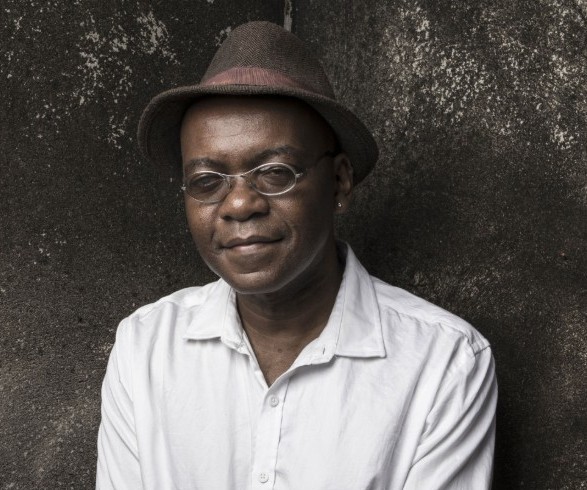
Photo by Rafael Motta for Culturadoria (2022)
My Poetry Corner September 2025 features the poem “I Know You by Your Scent / Conheço Vocês pelo Cheiro” from the poetry collection Too Heavy for the Wind: Poetic Anthology / Pesada Demais para a Ventania: Antología Poética (2018) by Ricardo Aleixo, Brazilian poet, essayist, and multimedia artist-performer.
Born in 1960 in Belo Horizonte, capital of the southeastern State of Minas Gerais, he is considered one of the most innovative Brazilian contemporary poets. His work is found in national and international collections. As a multimedia performer, he has presented his work across Brazil and overseas. He lives in Belo Horizonte and is a member of the Academy of Letters of Minas Gerais.
In his 2024 interview with Matheus Lopes Quirino for the Social Service of Commerce (SESC) of São Paulo, Aleixo credited his family as instrumental in shaping the person he is today. He describes his parents as two incredibly intelligent people, born in the early 1900s, not many years after the end of slavery in May 1888. Although his poor, working-class parents both lacked opportunities for furthering their education, they instilled in Ricardo and his older sister the value of education. His father, a soft-spoken man, sought to refine himself intellectually through reading Brazil’s great literary writers.
As a boy, Aleixo’s first love was music and later the visual arts in high school. He began writing his first poems and songs when he turned 17 and 18 years. As a soccer player at eighteen years, he wanted to become a professional. That dream ended when a ball struck and blinded him in his right eye. Poetry became his only option.
At nineteen years, he decided not to pursue a bachelor’s degree, after witnessing his sister’s disappointment in not graduating as a writer on completion of her BA in literature. Instead, he embarked on a self-study program through building a home library with his sister’s help. Around the age of 24 or 25, he studied literature, semiotics, music, visual arts, history, and philosophy.
His life change when the Belo Horizonte Public Library asked him to catalog 600 volumes of a private collection of books, covering African Brazilian culture and its transatlantic ramifications. He read them all. To him, this meant much more than an academic degree.
Continue reading Three Worlds One Vision