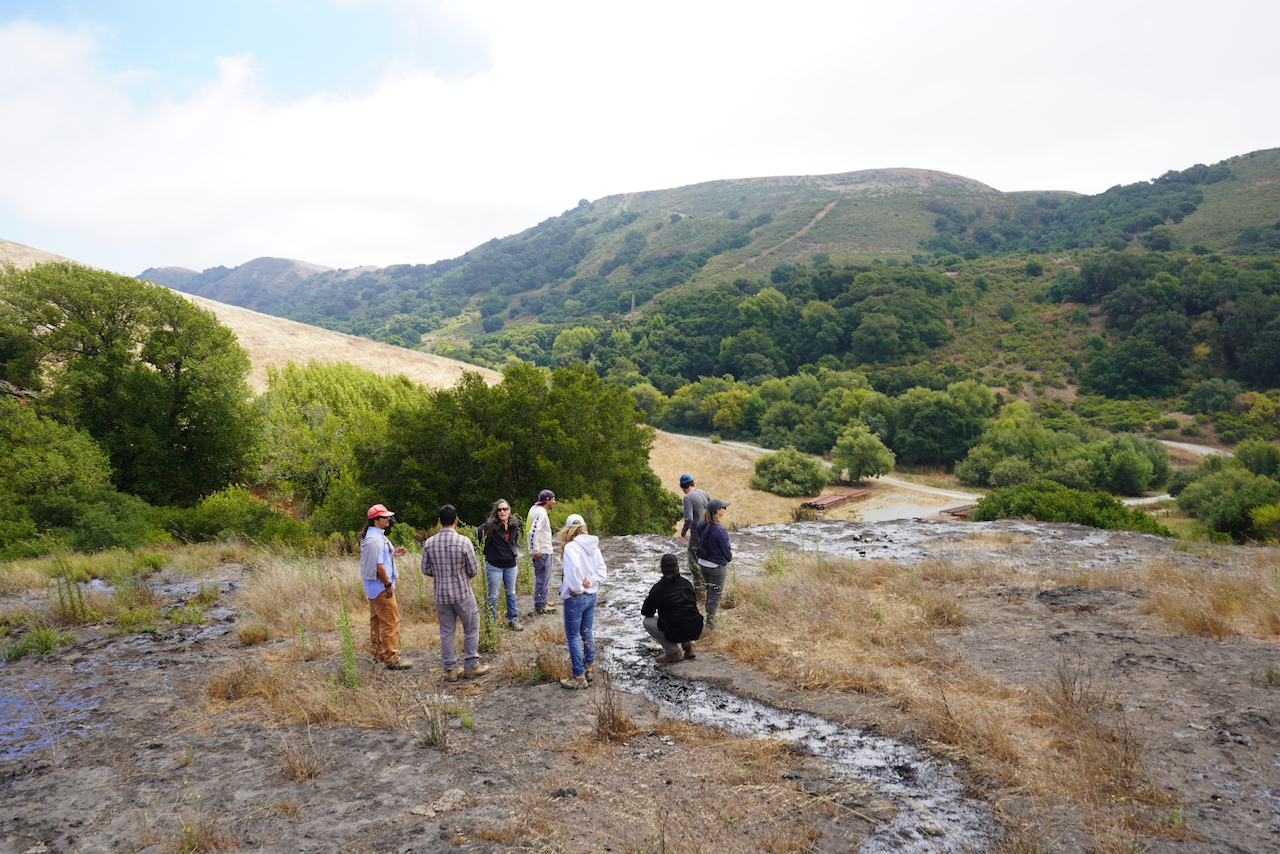
Natural Tar Springs at La Brea – Juristac Tribal Cultural Landscape – California/USA – January 2026 Photo Credit: Protect Juristac Website
This is the second article in my series about our changing Earth from interviews with Native Americans shared in We Are the Middle of Forever: Indigenous Voices from Turtle Island on the Changing Earth, edited by Dahr Jamail and Stan Rushworth (USA 2022). My presentation does not follow the order of the interviews.
This is the first article in my series about our changing Earth from interviews with Native Americans shared in We Are the Middle of Forever: Indigenous Voices from Turtle Island on the Changing Earth, edited by Dahr Jamail and Stan Rushworth (USA 2022). My presentation does not follow the order of the interviews.
Born on that memorable day of September 11, 2001, Raquel Ramirez is the youngest participant interviewed via Skype during the pandemic lockdown in midsummer 2020. She defines herself as an urban Native American, Ho-Chunk and Ojibwe, and other strong Native family roots. Growing up in California, she’s greatly influenced by the state’s indigenous cultures.
In addressing the crises we face on our changing Earth, Raquel considers awareness as a challenge to confront and overcome. Breaking free of ignorance in society and our own ignorance is, she acknowledges, an emotional and difficult process.
Awareness doesn’t just mean listening or hearing or recognizing. It is very much being present and being conscious of people beyond you!
Front Cover: We Are the Middle of Forever: Indigenous Voices from Turtle Island on the Changing Earth – Edited by Dahr Jamail and Stan Rushworth Published by The New Press, New York, USA, 2022
During the COVID-19 pandemic and lockdown, Dahr Jamail – an American award-winning journalist and environmental advocate – and Stan Rushworth – an elder and retired teacher of Cherokee descent living in Northern California – interviewed several people from different North American Indigenous cultures and communities, generations, and geographic. Their featured collection of interviews offers us a wide variety of perspectives on a much more integrated relationship to Earth and all human and non-human beings.
Turtle Island is a term used by some Indigenous peoples, primarily those in North America, to refer to the continent. This name stems from various Indigenous creation stories which describe the landmass as being formed on the back of a giant turtle. The concept of Turtle Island is deeply significant in many Native American cultures as it reflects their spiritual beliefs and relationship with Mother earth.
As inhabitants of these lands for thousands of generations before the arrival of European conquistadores and colonizers, Native Americans carry in their ancestral memories the rise and fall of great civilizations before ours. They have much to teach us about surviving collapse and healing our broken relationship with Mother Earth.
Rosaliene’s Garden Summer 2025 – Sons’ Garden Plot 2 – Los Angeles – California
I give thanks that, this summer, temperatures in West Los Angeles did not rise into the upper nineties (Fahrenheit) and more. While I enjoy the privilege of staying indoors during the hottest parts of the day, there were times I had to brave the heat for medical visits. On August 19th, I also began weekly sessions of physical therapy for what my young new doctor determined, after X-rays of my knees and ankles, is osteoarthritis. Thankfully, on my return trip home around 11:15 a.m. after my physical therapy session, I can take refuge from the heat under a tree near to the bus stop. What’s more, I stay hydrated with coconut water.
After a year of suffering with intense pain in my heels after an hour’s walk, I now know the cause and I’m getting help to strengthen the muscles in my hips, glutes, and thighs. Except for a setback after doing 30 repetitions of squats during my third session—now reduced to ten—I’m making progress. Last weekend, for the first time in a long while, I did not have to limp indoors with aching feet after just two hours of gardening.
Rosaliene’s Garden – Spring 2025 – Sons’ Adjacent Apartment
During the warmer and drier spring days, I was finally able to return to my weekend gardening activities. Our garden remains a source of joy and a refuge. With ongoing raids in our Latino communities across Los Angeles County and beyond, it has become clear that one’s legal status offers no protection from being randomly grabbed and disappeared. No criminal record; no problem. They fabricate one: resisting arrest, assaulting an officer. It’s a numbers game: a 3000-a-day quota. Now, I’m wary about going for my scheduled yearly blood and urine tests next month. You see, my medical clinic also serves our Latino and homeless communities.
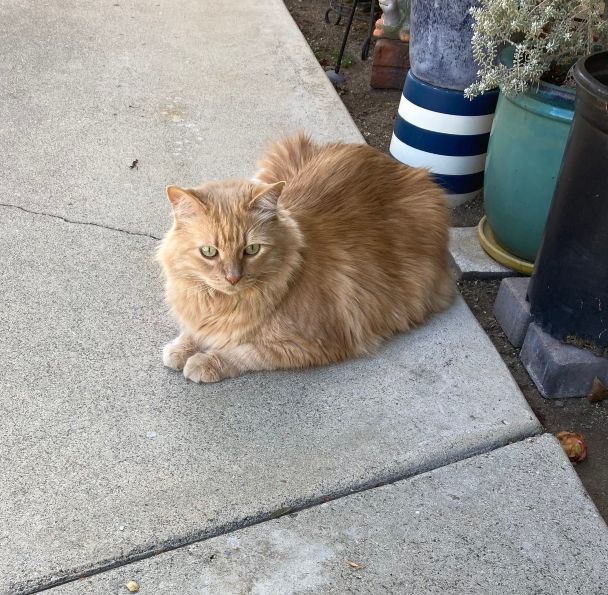
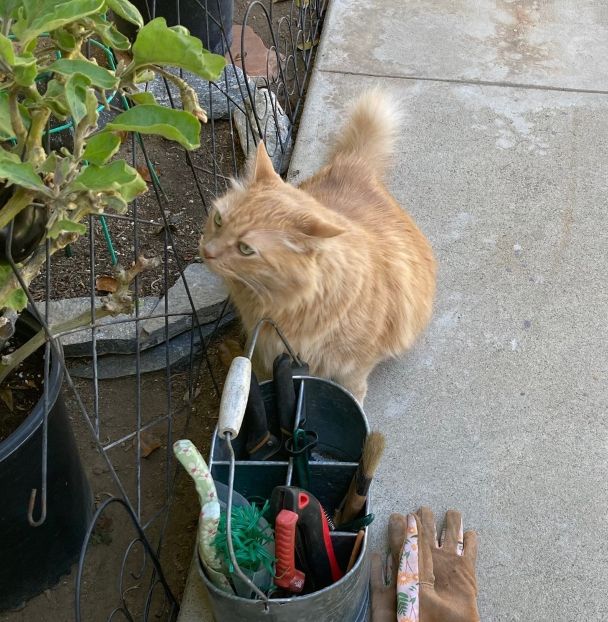
During the time I spend with our plants, I forget this crazy world I now live in. They respond to my presence, my touch, and my voice. (Yes. I talk to the plants. 😊) They care not about the color of my skin or country of origin. My neighbor’s cat, Pumpkin, couldn’t care less, either. She loves to spend time with me while I’m gardening. At the request of blogger and cat lover, Rebecca Bud at Rebecca’s Reading Room, I’m sharing the photos below of Pumpkin.
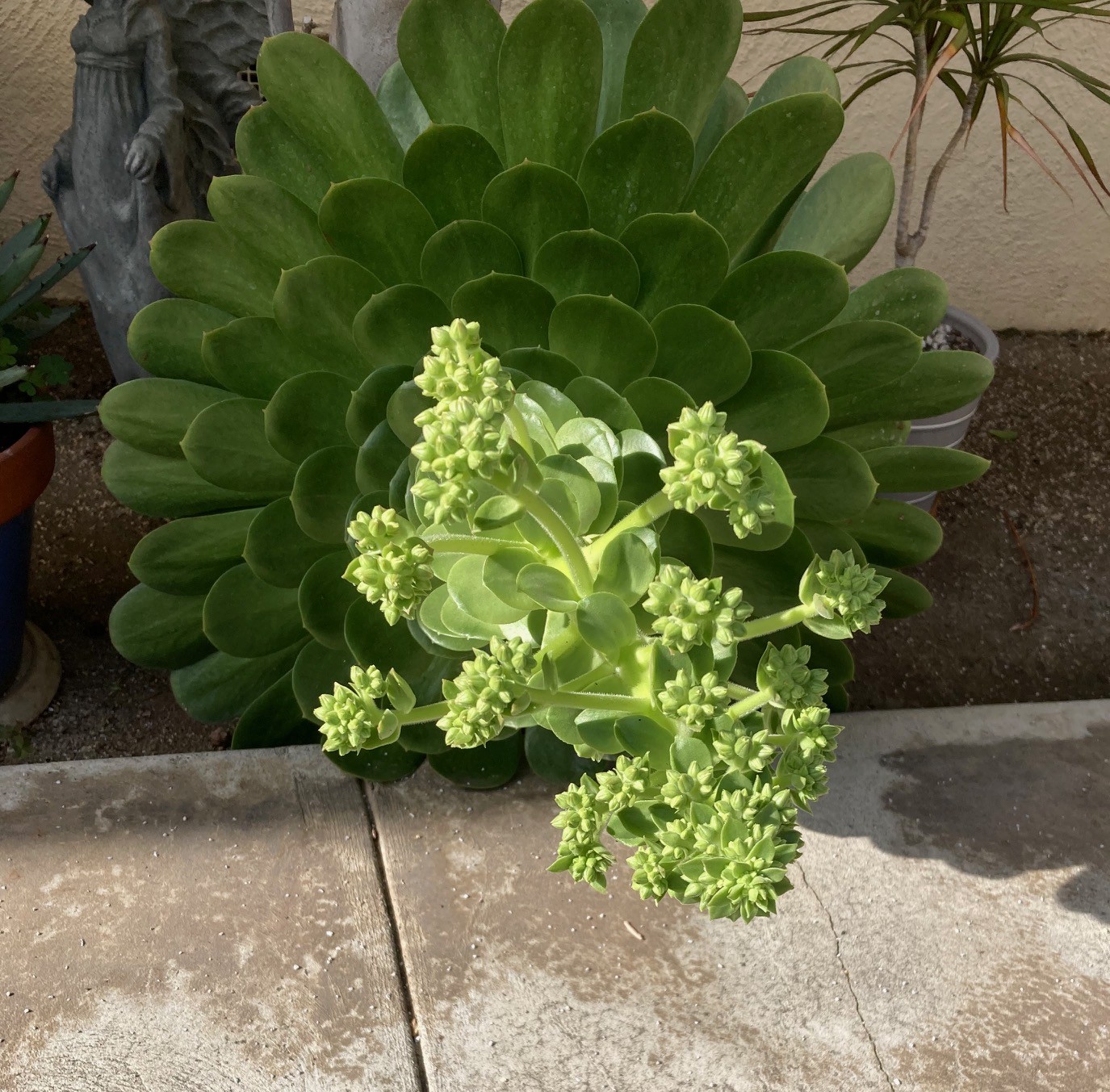
Aeonium Mint 03/15/25Aeonium Mint Decapitated 04/12/25
Decapitated Life cycle interrupted Obstructing the path
I shouldn’t be surprised. After all, it was just a matter of time that a neighbor would complain to Management about a plant obstructing our sidewalk. It’s not the first time. On separate occasions, I’ve had two neighbors complain about a rosebush and potted palm getting in their way. Since then, I’m usually diligent in trimming excessive growth. This time, I couldn’t bring myself to cut back the glorious bloom of the Aeonium Mint invading our space.
With motherhood comes great responsibility to raise a child in the world without guarantees for their safety and growth
Decapitated for being different for obstructing the path of others by the bullies, the haters, the abductors the destroyers of lives In a natural world abounding with diversity
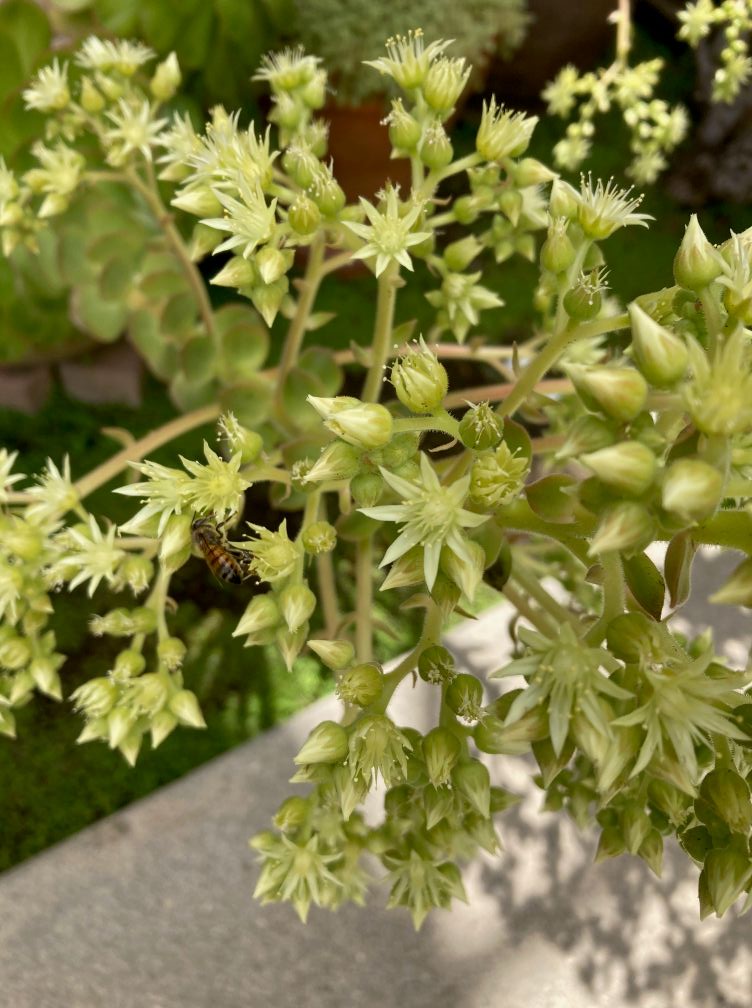
Rosaliene’s Garden: Bee visiting flowers of Aeonium Mint 04/27/25
The children of humankind nurse at the breasts of Mother Earth She gives freely to all for we are all worthy of her grace Such is the miracle of being
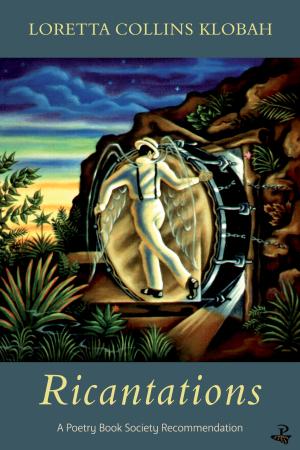
Puerto Rican Poet Loretta Collins Klobah / Oil Painting on Front Cover: Ángel Plenero by Samuel Lind Photo Credit: Peepal Tree Press (UK, 2018)
My Poetry Corner April 2025 features the title poem from the poetry collection Ricantations (Peepal Tree Press, 2018) by Puerto Rican poet Loretta Collins Klobah. Born in Merced, California, she earned an M.F.A. in poetry writing from the Writers’ Workshop at the University of Iowa, where she also completed a doctoral degree in English, with an emphasis on Caribbean literary and cultural studies. She spent four of the nine years of her doctoral study in Jamaica (Caribbean) and West Indian neighborhoods of Toronto (Canada) and London (UK). Since the late 1990s, she lives in San Juan, Puerto Rico, where she is a professor of Caribbean literature and creative writing at the University of Puerto Rico.
Growing up in an English and Spanish working-class household has influenced Klobah’s style of blending Spanish and English in her work. Her mother had Spanish and Scottish heritage, her father Cherokee and Irish. Her Mexican American godparents taught her Spanish, widely spoken in Merced where she grew up. The title of her collection Ricantations appears to be a blend of these two languages.
Klobah began writing poetry in primary school as a way of processing life and engaging with the world. At eighteen years, on becoming part of the active poetry community in Fresno, California, she began receiving serious mentoring from former US Poet Laureate Philip Levine and other award-winning poets.
“I don’t write love poetry, and I don’t rhyme,” Klobah told Trinidadian poet Andre Bagoo during a 2012 interview for the Caribbean Beat magazine, following the release of her award-winning debut poetry collection. “I write because I want to communicate with readers in a way that matters, makes an impact, or makes some kind of beneficial difference in the reader’s thoughts and in the society.”
I know… I share your pain. I’m also scared. These are dangerous times for immigrants in America—scapegoats for the social and economic ills of our nation. Our trade partners, too, have come under attack. It’s now tit-for-tat for unfair trade practices. “Liberation Day” on April 2nd has unleashed import tariffs/taxes, ranging from 10 percent to 54 percent, for all countries that sell goods to the United States. What a high-risk economic strategy! But this is just the latest drastic change assaulting us daily since January 20, 2025.
Regardless of our political views or ideology, we the people will have to deal with the negative or unexpected consequences of dismantling our government agencies and picking a fight with our closest allies since the end of World War II. Judging from these developments, it seems that the globalized capitalist economic system is under stress. And so it should be. For how much longer can we sustain an economic model of continual growth and profits that is pushing our planetary life systems to their limits?
Non-human life faces extinction and more frequent, extreme weather events are disrupting and threatening human life. The minority billionaire ruling class (MBRC) believes that environmental and other deregulations are the answer to renewed economic growth. Their insatiable greed blinds them to all the warning signs of economic and societal collapse. Instead, they now grasp at AI, an energy guzzler, to preserve their way of life.
Flowering Aloe Saponaria (Soap Aloe) – Los Angeles – California – March 2025
While a two-headed monster is creating havoc, anxiety, and pain across the land of the living, Mother Earth signals that life finds a way in the face of adversity. The captioned photo features the explosion of orange flowers from the succulent Aloe Saponaria (Soap Aloe) in my neighbor’s garden on March 3rd. The photo below is a closeup of the early blooms captured on February 22nd.
Closeup of Flowering Aloe Saponaria (Soap Aloe) on February 22, 2025
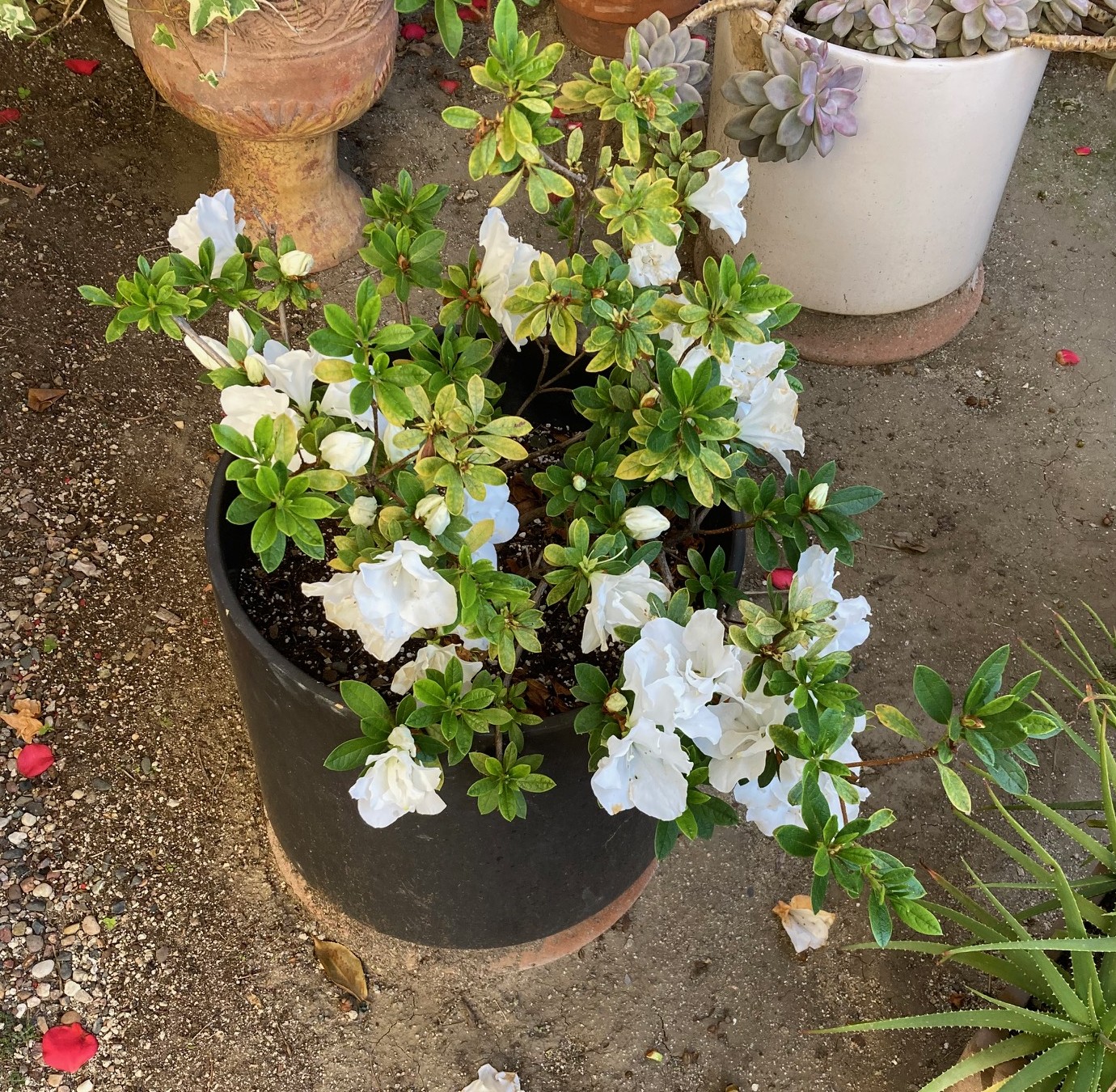
In another adjacent garden plot, the potted white azalea plant defied last year’s extreme summer temperatures that scorched its foliage. During a dry winter, my concern grew for its survival. Just three days of continuous light rainfall in early February were enough to give it new life again. What a joy!
My Poetry Corner April 2024 features the poem “Earth Crisis” from the poetry collection We Are Poetry: Lessons I Didn’t Learn in a Textbook (USA, 2022) by Kym Gordon Moore, an African American poet and marketing communications professional. The following excerpts of poems are all sourced from this collection.
Moore earned a Bachelor’s Degree in Criminal Justice and a Master of Business Administration degree with a concentration in Marketing. Born and raised in South Carolina, she now lives in Charlotte, North Carolina.
With over four decades as a writer and public speaker in marketing communications, Moore has become an advocate of using poetry in the fight against illiteracy and aliteracy among children and adults. She also mentors young and aspiring poets by identifying commonalities in their personal stories while exposing them to diverse opportunities that transform their experiences into creative development.
Moore’s latest book is not your regular collection of poetry. As noted on the back cover: “This book contains several components that serve as an academic complement giving creative insight into the poetry revolutionary movement. It functions as a dialogue engineer, designed to build and employ the application of poetry in the fight against illiteracy, functional illiteracy, aliteracy, and disparity.”








 Three Worlds One Vision