
Tags
Authoritarian Regimes, Censored Writers, Incarcerated Writers 2024, Pen America Freedom to Write Index 2024, Suppression of Free Expression USA
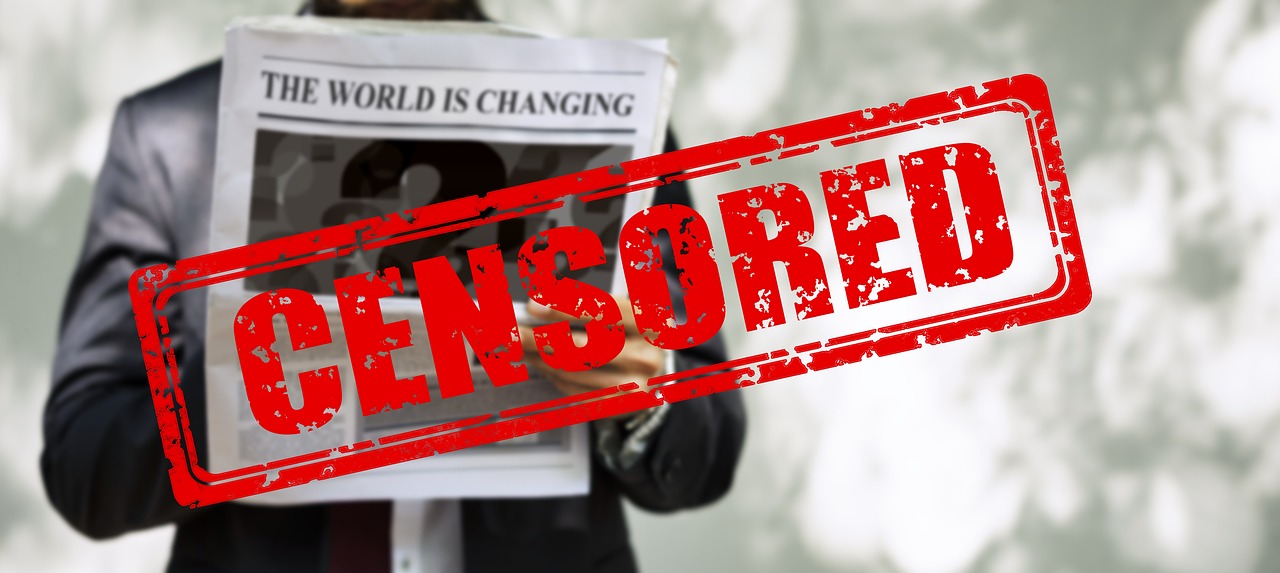
It’s no longer safe for writers like me to express my truth and give voice to the dispossessed, marginalized, and oppressed among us. Our speech is now censored. Here in my adopted homeland, to protest and write about the horrors being inflicted on the Palestinian people has been criminalized. Likewise, for criticisms about our Dear Leader and his policies.
For people like me, such crimes are punishable with incarceration, deportation, or both. Without due legal process. The First Amendment of our Constitution, regarding Freedom of religion, speech, and the press; rights of assembly and petition, has become invalidated or applicable only to political loyalists.
Such is the nature of life for writers under authoritarian regimes. To ensure my safety and that of my sons, I must self-censor what I write. I must be careful, too, with whom I associate, lest I’m accused of being an enemy of the state. If you believe I’m overreacting, you have not been paying attention.
In the Introduction to their Freedom to Write Index 2024, released on April 24, 2025, Pen America noted (the emphasis is mine):
Authoritarian regimes are innately adept at the creation of narratives. Indeed, the structure of authoritarianism is dependent upon the codification of a national myth—upon the expunging of “inconvenient” truths on the timeline, the rewriting and repression of history, and the attempted silencing of all those who aim to defy this erasure. Writers pose one of the greatest threats to this perpetuated silencing. By virtue of the writer’s place as record-keeper within their community and their nation, the very acts of writing, documentation, and storytelling become acts of inherent dissidence. Governments understand the role that writers play in promoting critical inquiry and cultivating visions of a better, more just world. They recognize the power of words to affirm historical truths, give voice to those whose narratives have been excised from the historical ledger, develop or maintain culture, and hold institutions to account. Repressive governments and ruling authorities throughout the world seek to suppress writers because it is writers who breathe life—and truth—into the stories that imperil a government’s control of both individual lives and national narratives.
While watching TV reports, we witness public demeaning of journalists who ask inconvenient questions. Major media corporations are being sued for presentation or publication of “fake news” for exorbitant sums of money. We are treading in dangerous waters. This ongoing assault can get much worse for writers who pose a threat to the regime.
Since the release of the first edition of the Freedom to Write Index in 2019, the number of writers jailed worldwide has increased from 238 to 375 in 2024. While men make up 84 percent of writers behind bars, female writers have not been spared. Their numbers have increased from 35 to 59. Countries silencing their writers have also grown to forty (40), the highest number recorded in the Index’s six-year history. A disturbing trend.
The top ten countries with the highest number of incarcerated writers in 2024 are China* (118), Iran (43), Saudi Arabia (23), Vietnam (23), Israel** (21), Russia (18), Türkiye (18), Belarus (15), Egypt (10), and Myanmar (10).
*Including autonomous regions
**Including the Occupied Palestinian Territory
The most prevalent professions of incarcerated writers in 2024 were online commentators (203), journalists (127), literary writers (115), activists (92), scholars (68), poets (67), creative artists (37), singers/songwriters (35), translators (14), editors (12), publishers (11), and dramatists (4). The category “journalist” includes news reporters as well as opinion writers and columnists. Individuals classified as “online commentators” include bloggers as well as those who use social media platforms such as Facebook or X/Twitter as a key vehicle for their expression.
Incarceration is just one method used to punish writers viewed as enemies of repressive governments. According to the 2024 Index, other methods included forced displacement or exile (143), murder (51), and forcible disappearance (14). Figures are not provided for cases of continual harassment, spurious legal charges, and physical attacks.
[U.S. Press Freedom Tracker provides data on journalists targeted in the USA by types of incidents by month/year and state.]
In their concluding remarks of the Freedom to Write Index 2024, Pen America underscored the precarious nature of freedom of expression in the United States:
The suppression of free expression has taken on an especially troubling dimension on college campuses where Palestinian and pro-Palestinian voices are being silenced, including via attempts to deport student activists, limiting discourse on issues of the war in Gaza and human rights. The arrests and continued detention of Mahmoud Khalil, Mohsen Mahdawi, and Rumeysa Öztürk (who co-authored an opinion piece about Gaza for her campus newspaper) —it would appear purely on the grounds of speech protected by the U.S. Constitution—not only undermines academic freedom but also stifles the critical exchange of ideas. […]
In these transformative times, it is essential that governments, civil society, and stakeholders recognize that the incarceration or silencing of a writer represents a broader assault on the freedoms of all citizens….
Be aware of the ways we are being silenced. Remain grounded in reality. Do not walk blindly into the dark night of a malignant mindscape. More than ever, we need to support and care for each other.
 Three Worlds One Vision